


AMNI and TotalEnergies take FID on US$1.108bn Ima Gas Project
AMNI International Petroleum Development Company Limited and TotalEnergies EP Nigeria Limited have taken Final Investment Decision (FID) on the Ima Gas Project offshore Nigeria, clearing the way for development of a field designed to produce approximately 350 million standard cubic feet of gas per day.
The project has an estimated development cost of approximately US$1.108 billion, according to AMNI, and is expected to begin production in 2028. Gas from Ima is intended to supply around 30% of the feedgas requirement for Nigeria LNG’s Train 7 expansion.
The FID, announced on 23 September 2026, moves the development into its engineering, procurement and construction phase following completion of front-end engineering design, commercial work and key project agreements.
The project is being developed by TotalEnergies, which holds a 40% interest and operates the development, together with Nigerian independent energy company AMNI, which holds 60%.
Ima Gas Project targets 350 MMscf/d from offshore Nigeria
The Ima gas field is located in shallow waters across Nigeria’s OML 112 and OML 117 licences, close to Bonny Island in Rivers State.
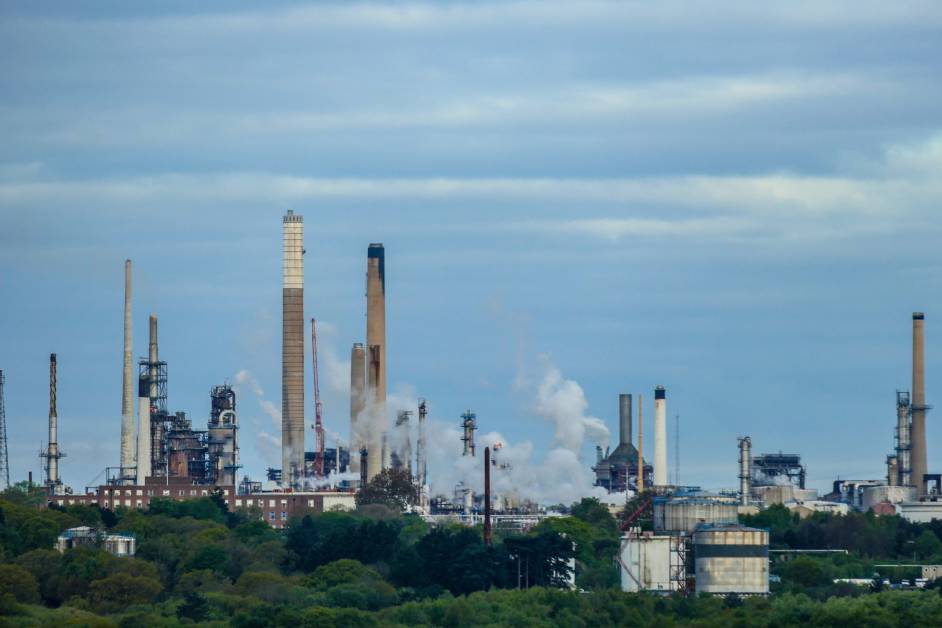
The development will use a single offshore platform connected to the Nigeria LNG facility through a 22-kilometre pipeline. Production is expected to reach a plateau of approximately 350 MMscf/d, equivalent to more than 60,000 barrels of oil equivalent per day.
AMNI says the field contains approximately 1.28 trillion cubic feet of independently confirmed gross reserves of non-associated gas.
The company expects the project to maintain its planned plateau production for a minimum of eight years, while first gas is targeted for October 2028.
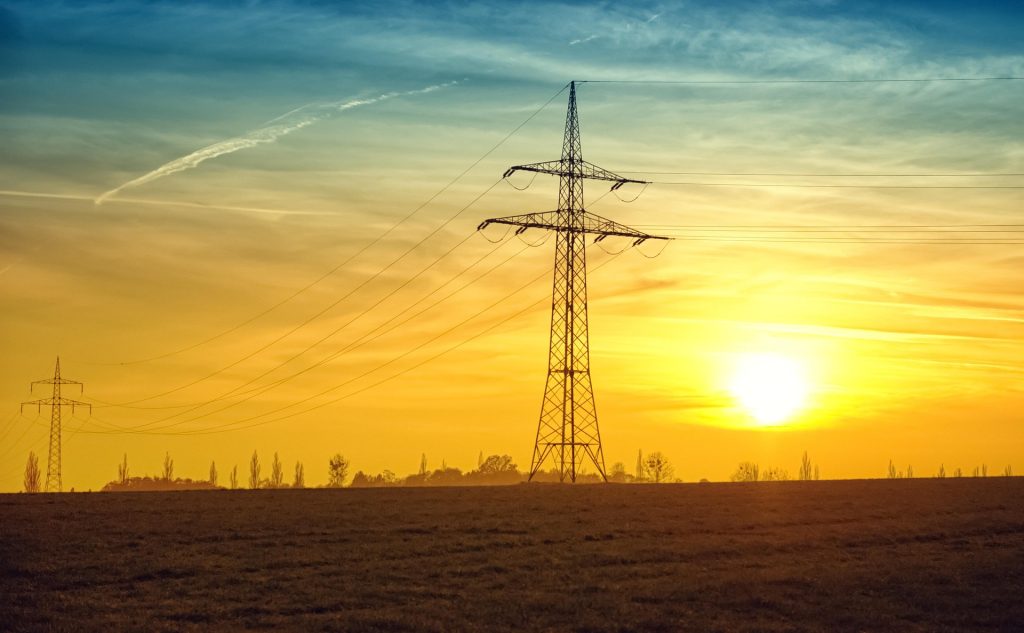
The development’s design includes electricity supplied from shore, no routine flaring and permanent methane detection and monitoring. These features are intended to reduce the emissions intensity of the offshore development while simplifying its operating configuration.
For the Nigerian oil and gas supply chain, the transition from FID to construction will be the next important phase. It is expected to generate requirements for engineering, fabrication, offshore construction, pipeline installation, equipment and specialist services.
Ima gas will support Nigeria LNG Train 7
The commercial importance of Ima extends beyond the upstream field because its output is linked directly to Nigeria LNG’s expansion programme.
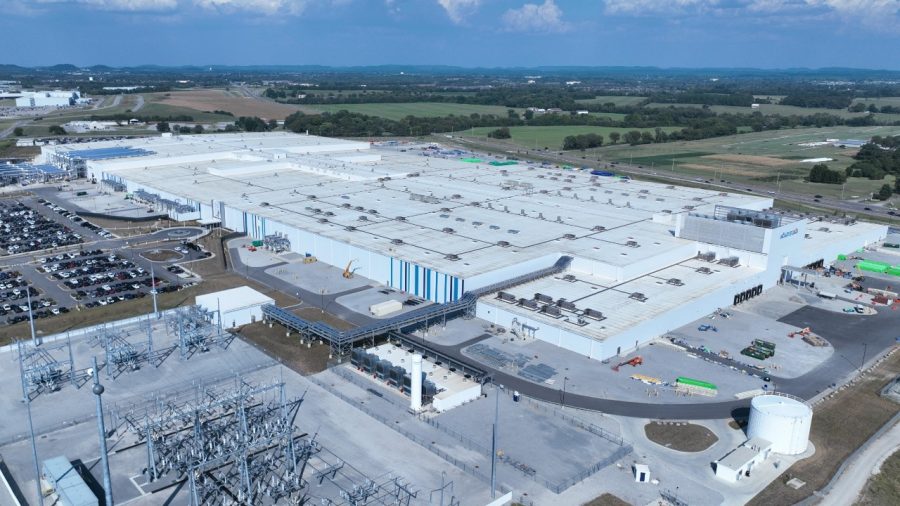
Once operational, Ima is expected to provide approximately one-third of the gas required for Nigeria LNG’s Train 7 expansion. Train 7 is designed to increase the Bonny Island liquefaction facility’s capacity from 22 million tonnes per annum to 30 million tonnes per annum.
That connection gives the Ima development a defined downstream route for its gas production.
For Nigeria LNG, additional upstream supply is an important component of expanding liquefaction capacity. For upstream producers and service companies, the project demonstrates how new gas developments can be integrated with existing processing and export infrastructure.
The 22-kilometre connection between the Ima development and Nigeria LNG also limits the need for a separate long-distance gas transportation system.
AMNI and TotalEnergies expand Nigeria gas development activity
The Ima decision follows TotalEnergies’ Final Investment Decision on the Ubeta gas development in 2024.
Ubeta is expected to begin production in 2027 and is designed to produce approximately 300 million cubic feet of gas per day at plateau. The development is located on OML 58 and is intended to use existing processing infrastructure.
The two projects therefore form part of TotalEnergies’ continuing gas development activity in Nigeria, although they are separate developments.
TotalEnergies President of Exploration & Production Nicolas Terraz said the Ima FID represented another step in the company’s integrated gas strategy in Nigeria.
AMNI Chairman and Chief Executive Officer Chief Tunde J. Afolabi said the company would focus on safe project delivery, operational performance and sustainable value creation as Ima moves into execution.
The partnership also provides a notable example of cooperation between an indigenous Nigerian energy company and an international operator on an offshore gas development.
Nigerian contractors and local content will be important
The project is also expected to create activity for Nigerian companies involved in engineering, construction and other oilfield services.
TotalEnergies has said the Ima development has strong Nigerian content, with key contractors being local companies. Around 60% of the workforce during the development phase is expected to come from host communities.
This makes project execution an important consideration not only for the field’s production schedule but also for local suppliers and contractors seeking work in Nigeria’s upstream sector.
The next stage should provide greater visibility on procurement packages, construction activity, workforce requirements and the timing of offshore installation work.
Ima project cost figures require further clarification
One issue that businesses following the development should note is a discrepancy in publicly reported project cost and production figures.
AMNI’s project announcement states that the Ima development has an estimated cost of approximately US$1.108 billion and is designed to produce around 350 MMscf/d.
However, statements from Nigeria’s State House and the Nigerian National Petroleum Company Limited have referred to an US$800 million FID and peak production of approximately 300 MMscf/d.
The available statements do not explain the difference between the figures.
The US$1.108 billion and 350 MMscf/d figures are used in this article because they are contained in the project announcement issued by AMNI and are consistent with TotalEnergies’ description of the development.
Further project documentation should establish whether the differing figures reflect different cost definitions, project scopes, development assumptions or reporting bases.
What businesses should watch next
The immediate priority is execution.
The Ima project has moved beyond technical and commercial preparation and into the engineering, procurement and construction phase. The stated target is to reach first gas in October 2028.
For suppliers, the key developments to monitor will include construction contracts, procurement activity, offshore fabrication, pipeline work, platform installation and commissioning milestones.
For Nigeria’s gas industry, the more significant question will be whether projects such as Ima and Ubeta can deliver additional gas supply in line with expanding LNG infrastructure.
The timing is particularly relevant because Nigeria LNG’s Train 7 expansion is designed to raise liquefaction capacity to 30 Mtpa. Ima’s planned contribution means the project has a direct role in supporting that additional capacity.
The FID also provides another example of investment being directed towards non-associated gas resources rather than relying solely on gas produced alongside oil.
That could create further opportunities for engineering companies, equipment manufacturers, offshore contractors, pipeline specialists and financial institutions participating in Nigeria’s gas development ecosystem.
For the market, however, the next signal will come from execution rather than the FID itself. The ability to maintain the construction schedule, secure the required equipment and services, and deliver first gas on time will determine how quickly the investment translates into additional Nigerian gas supply.
Follow B2B Market Signal on social media for the latest business news, industry developments, market intelligence and analysis. Connect with us on LinkedIn and follow us on Instagram at @b2bmarketsignal for regular updates.