




FAA clears Boeing 737 MAX software issue, easing MAX 10 certification path
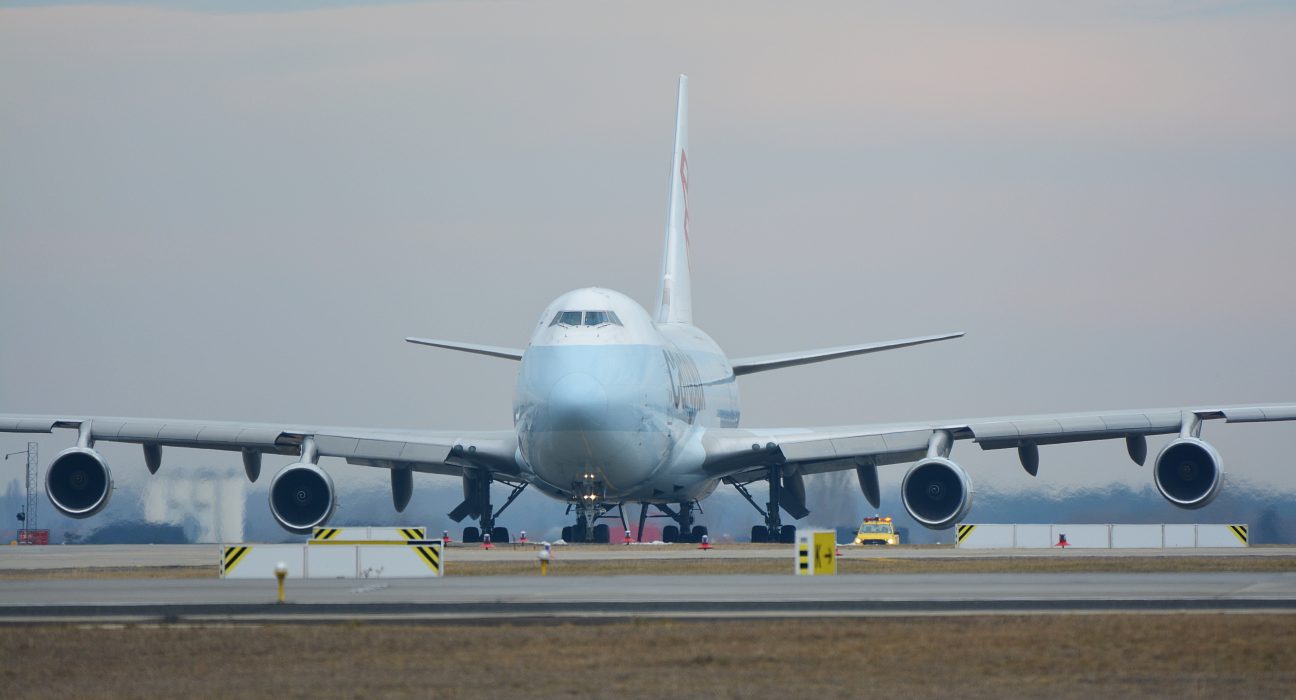
The US Federal Aviation Administration has determined that a software issue affecting some Boeing 737 MAX flight computers does not pose a safety concern, removing a major obstacle to certification of the 737 MAX 10.
The FAA’s Corrective Action Review Board reached the conclusion after reviewing the software issue in Seattle on Friday. The agency said pilots retain full control of the aircraft and receive clear and unambiguous indications from the flight deck systems.
The decision follows a delay announced earlier in the week, when the FAA said it would hold back certification of the 737 MAX 10 while it assessed the issue. The largest member of Boeing’s 737 MAX family has been undergoing certification for several years and had been approaching the final stages of regulatory approval.
Boeing said it would continue working with the FAA on a software update and with airlines to formalise procedures that would allow pilots to restore automated vertical navigation if the affected condition occurs.
FAA review removes Boeing 737 MAX 10 certification hurdle
The software issue concerns an aircraft flight-computer configuration that can cause the vertical navigation mode to disengage during a specific sequence of events on approach.
Vertical navigation automates aspects of an aircraft’s vertical flight path. The FAA had been assessing whether the condition could increase pilot workload during a go-around, when an aircraft aborts a landing attempt and climbs for another approach.
The regulator’s review concluded that the condition does not represent a safety concern because pilots retain control and receive clear indications from the aircraft systems.
The finding is significant for the 737 MAX 10 because Boeing had already completed its planned certification flight testing. Boeing said in July that the 737-10 programme had completed 976 flights involving more than 2,060 flight hours, moving the aircraft into the final stages of the certification process.
Boeing CEO Kelly Ortberg subsequently said in September that the 737-10 was nearing certification, with the remaining work focused on documentation for the FAA.
Software issue was first identified by WestJet
The issue was first identified by Canadian airline WestJet during an entry-into-service validation flight in 2024, according to a staff memo reviewed by Reuters.
WestJet reported the anomaly to Boeing after its pilots observed the vertical navigation mode disengaging during approach. The affected software version is identified as U14.1.
The airline said it had received no reports of the condition occurring during normal line operations and that relatively few occurrences had been reported by other operators because the condition requires a specific sequence of events.
The issue became particularly relevant to the MAX 10 certification process because the software is also used on other 737 MAX aircraft. The FAA certified the smaller 737 MAX 7 in August despite the software issue.
Airlines face limited operational implications
The FAA’s conclusion reduces uncertainty for airlines operating or awaiting delivery of aircraft using the affected software configuration.
Southwest Airlines could be affected because it operates the newly certified MAX 7, while Alaska Airlines and United Airlines are among carriers that have ordered the MAX 10. WestJet is also expecting to receive the MAX 10 early next year.
Boeing is working with airlines on interim operating procedures while developing the next software update. The FAA also plans to issue information to operators and regulators concerning the condition.
For airlines, the immediate business issue is therefore less about grounding existing aircraft and more about certification timing, software configuration and the operational procedures required for affected aircraft.
Boeing 737 MAX 10 certification could resume later this month
The FAA’s latest decision brings the MAX 10 certification process back in line with earlier expectations that approval could take place later in October.
Boeing has substantial commercial exposure to the aircraft. Jefferies estimates that Boeing has nearly 1,500 MAX 10 aircraft on order from airlines. Boeing has continued to add MAX 10 orders during 2026, including 60 MAX 10 aircraft ordered by SMBC Aviation Capital in July.
The aircraft also forms part of fleet expansion plans at major carriers. Air India, for example, ordered 10 additional 737-10 aircraft as part of a 30-aircraft 737 MAX purchase announced in January.
Boeing has said first deliveries of the 737-10 are expected in 2027 once certification is completed.
What to watch next
The next milestones are the FAA’s formal certification decision, the implementation of Boeing’s software update and the procedures adopted by airlines operating aircraft affected by the software configuration.
For Boeing, completing the MAX 10 certification would mark another step in expanding its 737 MAX product range and converting a substantial order backlog into future deliveries.
Market Signal: The FAA’s determination removes the immediate regulatory uncertainty surrounding the software issue and allows Boeing to return its focus to completing 737 MAX 10 certification and preparing for first deliveries.
Follow B2B Market Signal on social media for the latest business news, industry developments, market intelligence and analysis. Connect with us on LinkedIn and follow us on Instagram at @b2bmarketsignal for regular updates.