



China and US agree $30bn tariff reduction and AI dialogue
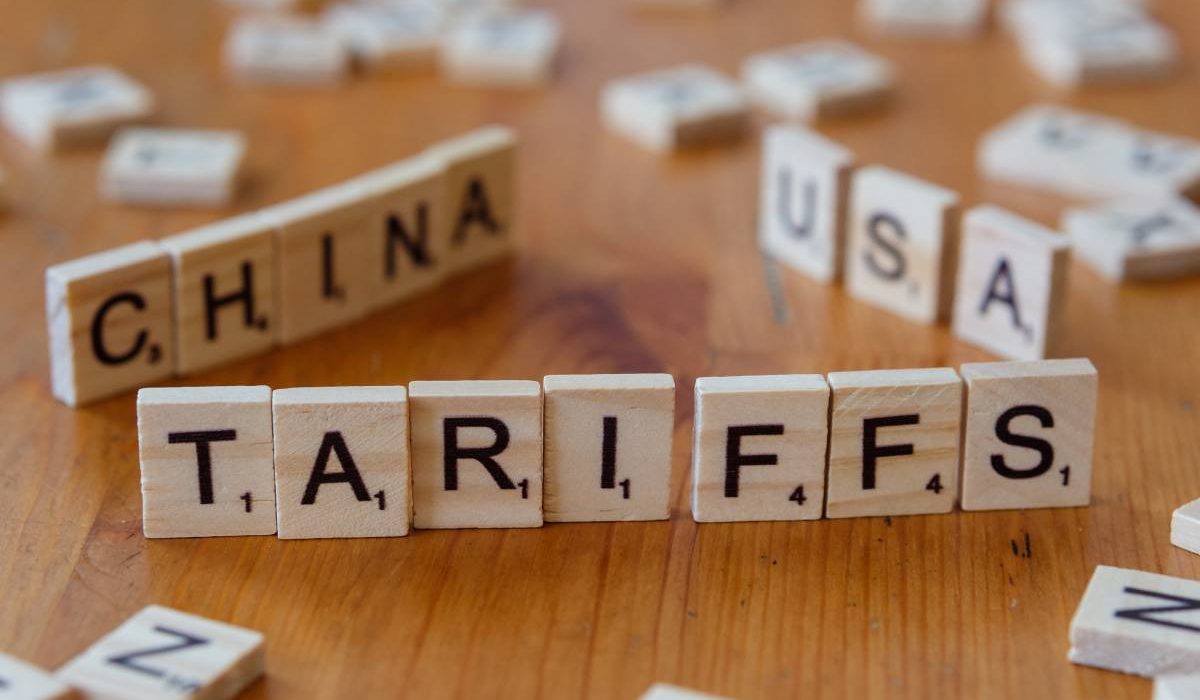
China and the United States have agreed on a reciprocal tariff-reduction arrangement covering $30 billion of non-sensitive goods in each direction and established a bilateral dialogue on artificial intelligence following Chinese President Xi Jinping’s three-day state visit to Washington.
The measures formed part of an eight-point consensus reached during Xi’s September 23–25 visit, according to China’s state news agency Xinhua. The White House separately confirmed that the two countries had reached consensus on recommendations for more favourable tariff treatment for $30 billion of non-sensitive goods in each direction.
The arrangement is being advanced through the US-China Board of Trade, which was established following the leaders’ May 2026 summit in Beijing. The White House said the board has also launched a working group to address agricultural market-access barriers.
US-China tariff reduction targets non-sensitive goods
The tariff arrangement is focused on specific categories rather than a broad reduction in bilateral trade barriers.
According to the White House, products covered on the US export side include agricultural goods, fish and seafood, logs and wood products, cosmetics and medical devices. Goods covered on the US import side include consumer products such as small appliances, toys, holiday decorations and children’s car seats.
The framework follows several months of negotiations. In May, China and the US agreed in principle to discuss a reciprocal tariff-reduction framework covering products worth at least $30 billion on each side. China’s Commerce Ministry subsequently said both countries were seeking to finalise specific arrangements and implement them as soon as possible.
The latest agreement therefore represents a move from an initial framework towards more specific product-level arrangements, although implementation will determine how much trade is ultimately affected.
China and US establish AI dialogue
Artificial intelligence has emerged as another area of structured engagement between the two countries.
The eight-point consensus announced by Xinhua says China and the US will establish a bilateral AI dialogue to exchange views on the risks and benefits associated with the technology. The next dialogue is scheduled for November, while the two sides will also establish a communication channel for AI-related incidents.
The White House described the mechanism using the term “Super Intelligence” and said the US-China Super Intelligence Dialogue would address risks and benefits associated with emerging technologies, with the next exchange due by November 2026.
For technology companies and businesses developing or deploying advanced AI systems, the creation of a dedicated government-to-government channel provides a formal mechanism for discussion of technology-related risks. The practical scope of the dialogue, however, will depend on the issues the two governments ultimately address.
Agriculture and energy remain part of the trade agenda
Agricultural market access is another component of the new trade framework. The White House said the Board of Trade has established a working group focused on agricultural market-access barriers.
The agreement also has implications for energy markets. The White House said Trump urged Xi to increase production of refined petroleum products to help stabilise global supply. It also said China will import at least 10 million metric tonnes of US coal in both 2027 and 2028.
These measures broaden the economic agenda beyond tariffs and into commodity trade and supply security.
Eight-point consensus extends beyond trade
The eight-point consensus also covers diplomatic, security and law-enforcement issues.
China and the US agreed to support each other’s hosting of the APEC Economic Leaders’ Meeting and G20 Leaders’ Summit, with both leaders intending to attend meetings hosted by the other side. They also reaffirmed that Iran should uphold its commitment not to develop nuclear weapons and that no country or institution should impose transit fees on international waterways.
The countries also cited progress in cooperation against new psychoactive substances and precursor chemicals. Xinhua said the joint enforcement work had resulted in the arrest of dozens of suspects in the two countries.
On the military side, China and the US agreed to sign a memorandum of understanding aimed at strengthening crisis communication and prevention. They also agreed to continue cooperation in locating the remains of missing US military personnel in China.
What the US-China agreement means for businesses
For companies engaged in cross-border trade, the immediate significance of the agreement is the prospect of more favourable tariff treatment for selected non-sensitive goods.
The product-specific approach means the impact is likely to vary across industries. Businesses involved in agricultural products, consumer goods, medical devices, timber, seafood and selected manufacturing supply chains will be among those with the clearest direct exposure to the arrangements identified by the White House.
The AI dialogue creates a separate channel for one of the most strategically important areas of US-China technology competition. Its commercial significance will depend on whether future discussions lead to practical arrangements covering AI safety, incident communication or other areas affecting technology companies.
The wider agreement also provides businesses with additional mechanisms through which trade, investment and market-access issues can be discussed. Both sides have now operationalised their respective Boards of Trade and Investment, although the extent of future commercial progress will depend on implementation.
What to watch next
The next significant milestones will be the implementation of the agreed tariff treatment, the work of the agricultural market-access group and the November US-China AI dialogue.
Businesses will also be watching developments involving critical minerals, energy trade and the implementation of the bilateral trade and investment mechanisms.
Xi’s visit was his first state visit to the United States in 11 years and took place from September 23 to 25. The White House said the two countries agreed to build a constructive relationship of strategic stability based on respect, fairness and reciprocity.
For companies operating across the two markets, the key issue now is how the announced frameworks translate into actual tariff treatment, market access and operational arrangements.
Follow B2B Market Signal on social media for the latest business news, industry developments, market intelligence and analysis. Connect with us on LinkedIn and follow us on Instagram at @b2bmarketsignal for regular updates.