





US Air Force Moves 13 Aircraft from RAF Mildenhall After Security Threat
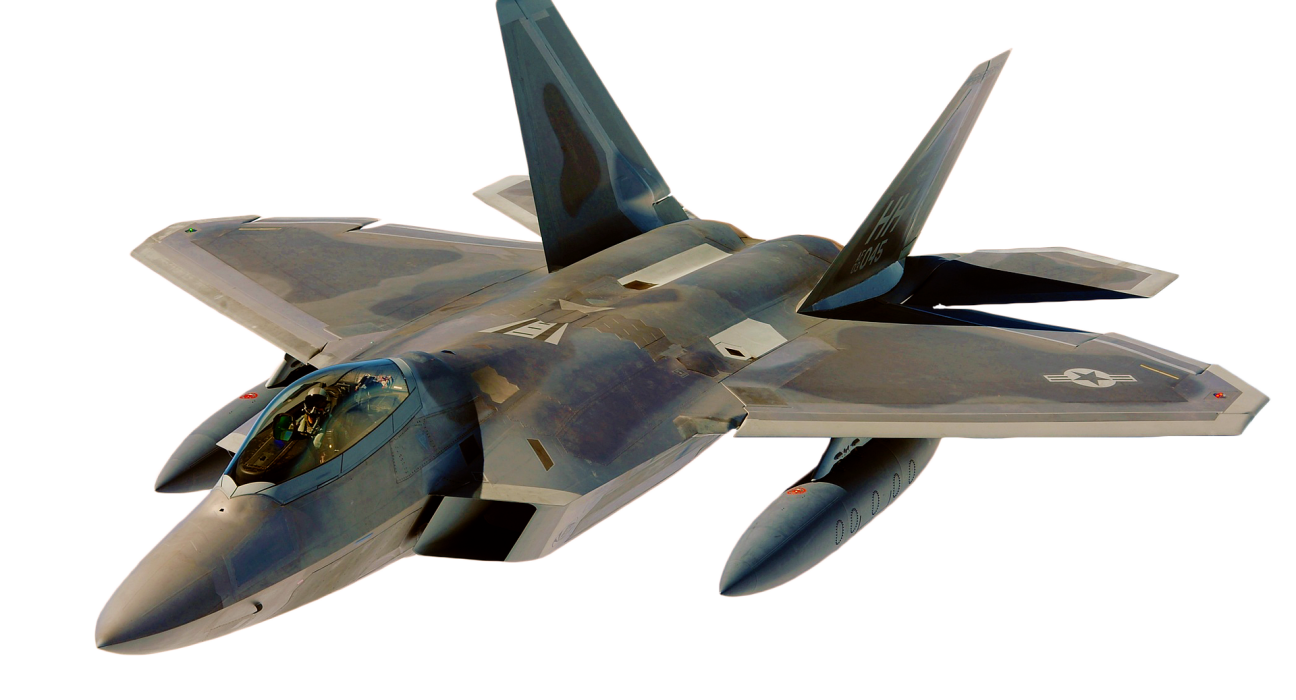
The US Air Force has relocated 13 military aircraft from RAF Mildenhall in eastern England following a security threat, according to US officials cited by the Associated Press. The move has drawn attention to the security of American military installations in the United Kingdom and the measures taken to protect aircraft and personnel when potential threats emerge.
The Military Air Tracking Alliance, a group of approximately 30 open-source analysts that monitors military and government flight activity, identified 13 US aircraft departing RAF Mildenhall. The aircraft were reportedly heading to military bases in Scotland, Spain and Germany.
The movements involved a combination of Osprey aircraft and midair refuelling tankers, according to the organisation. Some of the aircraft were permanently stationed at RAF Mildenhall, while others were operating from the facility on a rotational basis.
The aircraft relocation was confirmed by a US official, who said the decision was proactive rather than a response to an attack. The official added that the US military remained prepared to reposition its forces in response to potential threats. However, the official did not disclose the nature of the threat, how it had been identified or where it originated.
The Wall Street Journal, which first reported the evacuation, said the threat was related to Iran, citing people familiar with the matter. The reported connection has not been publicly confirmed by US officials. The distinction is significant because the available official comments confirm the aircraft movements but do not identify the country or organisation believed to be behind the threat.
RAF Mildenhall raises security alert
RAF Mildenhall also raised its security status to Force Protection Condition (FPCON) Charlie, the second-highest level in the US military’s force protection system, according to the Military Air Tracking Alliance.
FPCON Charlie applies when an incident occurs or intelligence is received indicating that some form of terrorist action targeting military personnel or facilities is likely. The heightened status reflects increased security concerns at the installation, although the report does not specify what additional measures were introduced at the base.
The relocation of aircraft and the reported change in security status represent separate elements of the response described in the report. While the aircraft were moved to other locations, the US official indicated that some could return to RAF Mildenhall once circumstances allowed.
The aircraft movements also involved both permanently stationed and rotational assets. This means the relocation did not necessarily represent a permanent withdrawal of the US Air Force’s presence from the base. The official said some aircraft were already in transit, while others were normally based at the installation.
Previous security concerns at RAF Fairford
The latest development follows another security-related incident involving a US-operated military installation in Britain. Less than two months earlier, the US Air Force withdrew its bombers from RAF Fairford while police investigated a suspected terror plot linked to Iran.
RAF Fairford has been used by US bombers involved in military operations against Iran during the Middle East conflict. The withdrawal took place as British authorities investigated the suspected plot, bringing additional attention to the security arrangements surrounding US military operations in the country.
The two incidents involve different military bases and separate reported security developments. However, both have focused attention on the protection of US aircraft operating from facilities in Britain.
The latest relocation from RAF Mildenhall also demonstrates that aircraft stationed at overseas bases can be moved to other locations when security concerns arise. The reported destinations in Scotland, Spain and Germany provide alternative locations for the aircraft, although the report does not explain how long they are expected to remain there.
US officials provide limited details
US Secretary of State Marco Rubio addressed questions about the aircraft movements by saying that the United States was “constantly repositioning forces around the world for a variety of reasons”. He referred further questions to the Pentagon.
The Pentagon did not immediately provide confirmation or additional details about the reported threat. No public explanation was given about the intelligence behind the decision, the specific security concern affecting RAF Mildenhall or whether other US military installations had received similar warnings.
The absence of further official information leaves several aspects of the incident unresolved. These include the identity of the source of the threat, whether it was directed specifically at RAF Mildenhall, and whether the aircraft relocation was part of a wider security adjustment involving US forces in Europe.
The US official’s comments indicate that at least some of the aircraft could return to the base. However, no timetable for their return was provided.
Implications for military aviation and logistics
The aircraft involved in the relocation perform different roles within US military operations. Aerial refuelling tankers, such as the KC-135, enable compatible aircraft to receive fuel while airborne. This capability can extend operational range and reduce the need for aircraft to return to a ground base for refuelling.
The Osprey aircraft involved in the reported movements are designed for vertical take-off and landing as well as conventional forward flight. Their capabilities support the movement of personnel and equipment in a range of operational environments.
The relocation of these aircraft is therefore relevant to military aviation logistics, aircraft availability and the distribution of support assets across different locations. Moving aircraft between bases requires coordination of flight operations, personnel, maintenance support and access to suitable facilities.
The use of bases in Scotland, Spain and Germany also highlights the importance of the wider network of military facilities available to US forces in Europe. Such locations provide options for positioning aircraft outside their usual operating bases when circumstances require changes to deployment arrangements.
However, the report does not establish that the relocation has disrupted military operations, reduced operational readiness or changed the overall deployment of US forces in Europe. It also does not identify any new military contracts, procurement decisions or additional spending arising from the incident.
For the defence and aerospace industry, the development is relevant to the wider requirements surrounding aircraft maintenance, airbase security, surveillance, communications and military logistics. These areas support the operation of military aviation facilities, particularly when aircraft and personnel must be repositioned.
The immediate focus remains on the security situation at RAF Mildenhall and whether the aircraft will return to their previous locations. Further information from US and UK authorities could clarify the nature of the threat and whether additional measures will be introduced at other military installations.
For now, US officials have confirmed that aircraft were moved as a precaution but have not publicly identified the source of the threat. The reported connection to Iran remains attributed to the Wall Street Journal’s sources rather than an official US assessment.
Follow B2B Market Signal on social media for the latest business news, industry developments, market intelligence and analysis. Connect with us on LinkedIn and follow us on Instagram at @b2bmarketsignal for regular updates