


Singapore Airlines to Invest $1.6bn in 4-Class Cabin Upgrade Across Long-Haul Fleet
Singapore Airlines plans to invest more than S$2 billion (approximately US$1.6 billion) in a major overhaul of its long-haul aircraft cabins, introducing redesigned seating across First Class, Business Class, Premium Economy and Economy as competition for premium travellers intensifies.
The airline unveiled its next-generation cabin products on 6 November, with the new seats scheduled to enter service progressively from the second half of 2027. The programme will cover its Airbus A350-900 fleet and new Boeing 777-9 aircraft, forming a significant part of its long-term investment in passenger experience.
The upgrade represents the most comprehensive cabin overhaul in Singapore Airlines’ history. It is designed to improve passenger comfort, privacy and flexibility across all four travel classes, while strengthening the carrier’s position in the increasingly competitive long-haul market.
First Class and Business Class receive major redesigns
The new First Class product will feature private suites with curved sliding doors and centre seats that can be converted into a double bed. Singapore Airlines describes the configuration as the largest double bed in commercial aviation.
Business Class will receive sliding privacy doors for the first time on the airline, alongside fully flat beds and redesigned personal spaces. The seats are intended to provide greater flexibility for passengers working, dining and resting during long-haul journeys.
Premium Economy and Economy will also receive new seating, with improvements focused on space, comfort and convenience.
The cabin designs were developed following research involving more than 5,000 frequent travellers, customers, airline employees and industry experts. Singapore Airlines said the findings highlighted demand for greater privacy, comfort, intuitive controls and adaptable spaces.
The airline worked with international design firms and seat manufacturers to develop the new products. PriestmanGoode was involved in the First Class design, Designworks in Business Class, and Factorydesign in Premium Economy and Economy. Collins Aerospace and RECARO Aircraft Seating are among the manufacturing partners.
A350 refurbishment expanded as Boeing 777-9 faces delays
The investment will be implemented across a programme covering 72 aircraft, according to Reuters, including Airbus A350-900 aircraft undergoing refurbishment and Boeing 777-9 aircraft on order.
Singapore Airlines’ official announcement specifies that the new products will be introduced on 41 retrofitted A350-900 long-haul and ultra-long-range aircraft, as well as its new 777-9 fleet.
The 777-9 was originally expected to become the airline’s next long-haul flagship, but its delayed entry into service has affected the timing of the cabin programme. Singapore Airlines subsequently expanded the upgrade to include its A350 aircraft.
The A350-900 long-haul aircraft will receive the new Business Class seats, while the A350-900 ultra-long-range fleet will also gain First Class cabins. The new 777-9 aircraft will feature all four cabin classes.
The programme includes a S$1.1 billion A350 refurbishment plan announced in 2024. Singapore Airlines Chief Commercial Officer Lee Lik Hsin told Reuters that the wider investment would be funded from the airline’s cash reserves, which stood at S$9.1 billion at the end of June 2026.
A significant proportion of the spending is directed towards premium cabins because First Class and Business Class seats cost substantially more per unit than Economy seats.
Premium travel becomes a strategic battleground
The investment comes as international airlines increase spending on premium cabins to attract business travellers and higher-spending leisure passengers.
Air France, British Airways and United Airlines are among the carriers investing in upgraded passenger products. Competition is also being shaped by offerings from airlines such as Qatar Airways, Emirates and Cathay Pacific.
Singapore Airlines’ latest move reflects the importance of cabin design and passenger experience in differentiating long-haul services. First Class and Business Class products are increasingly central to airline competition, particularly on routes where carriers seek to attract passengers willing to pay higher fares for privacy, comfort and additional services.
The investment is taking place against a challenging operating environment. Higher fuel costs have put pressure on airline margins and contributed to increased fares, affecting demand among more price-sensitive Economy passengers. Premium travel, however, has remained comparatively resilient, according to the Reuters report.
Singapore Airlines has said its competitive position depends not only on aircraft interiors but also on service quality, operational performance and employees.
Seat certification remains an industry-wide challenge
The cabin rollout also highlights the certification difficulties facing aircraft manufacturers and airlines as they introduce increasingly customised seating products.
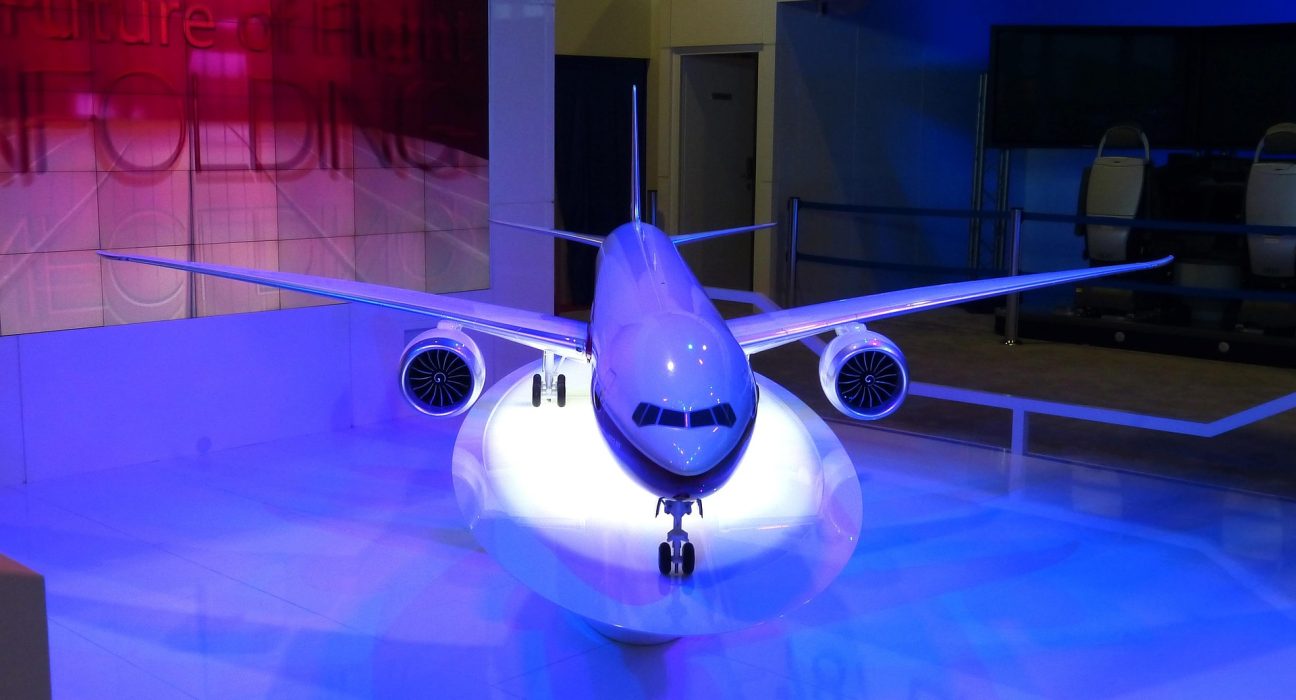
Boeing’s 777-9 programme has experienced several years of delays linked to certification setbacks, engine issues, the pandemic and increased regulatory scrutiny. The aircraft’s first deliveries are now expected in 2027, with Lufthansa anticipated to be its launch operator.
Singapore Airlines said the new seats have been certified for the 777-9, but the aircraft itself has not yet completed certification. The seats also require certification for installation on the A350, delaying their introduction on that aircraft by approximately six months.
The issue extends beyond Singapore Airlines. Airlines and manufacturers must ensure that new seat designs meet stringent aviation safety requirements, including crashworthiness standards. More bespoke cabin features can increase the complexity of design, testing and regulatory approval.
Boeing Chief Executive Kelly Ortberg also told investors in late October that seat certification challenges had affected deliveries of the company’s 787 Dreamliner aircraft.
What the investment means for the airline industry
Singapore Airlines’ cabin programme illustrates how airlines are using product investment to compete for premium passengers while managing aircraft delivery and certification uncertainty.
The expansion of the refurbishment programme to A350 aircraft provides the airline with another route to introduce its new cabins while waiting for the 777-9 to enter service. However, the rollout remains dependent on the required aircraft and seat approvals.
The key developments to watch will be the certification timeline for the A350 seating, the delivery schedule for the 777-9 and the pace at which Singapore Airlines introduces the new cabins across its long-haul network.
For the wider aviation sector, the programme highlights two connected investment priorities: improving the passenger experience and resolving the supply-chain and certification constraints that can delay the introduction of new aircraft interiors.
Follow B2B Market Signal on social media for the latest business news, industry developments, market intelligence and analysis. Connect with us on LinkedIn and follow us on Instagram at @b2bmarketsignal for regular updates