





Oil prices fall more than 4% as US-Iran talks raise hopes of easing supply disruptions
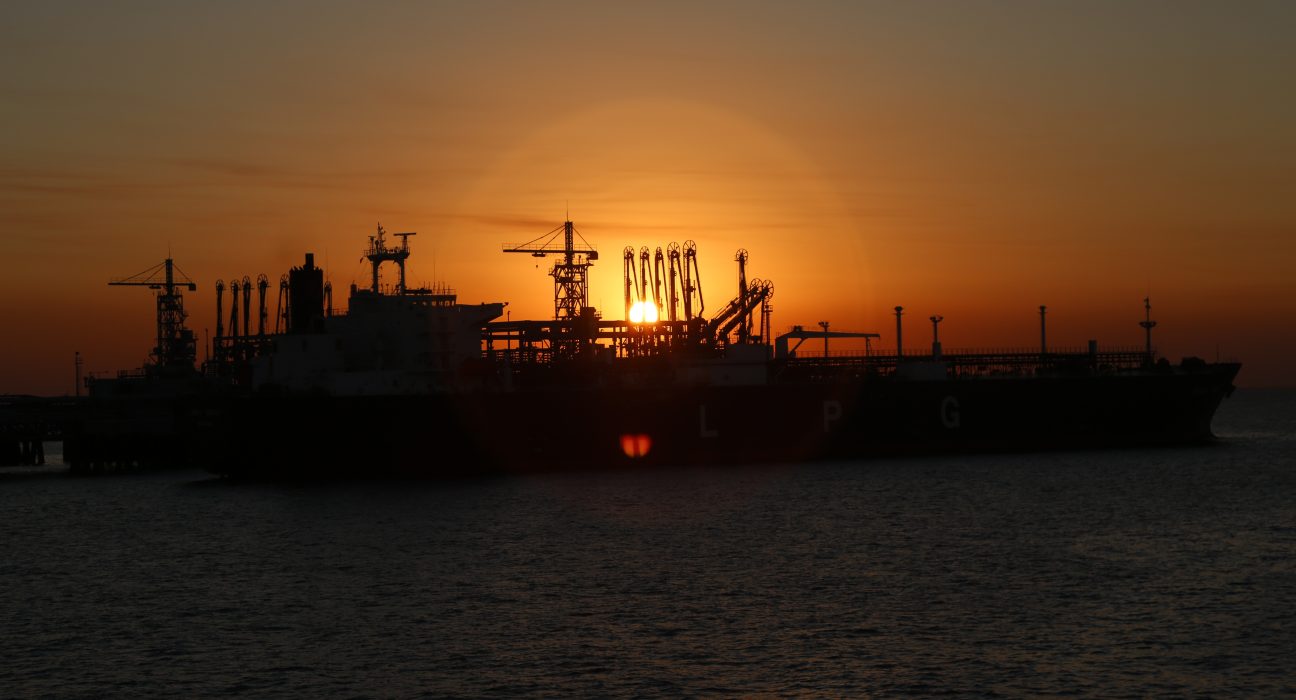
Brent crude and US West Texas Intermediate (WTI) futures fell by more than 4% on Monday as diplomatic discussions between Iranian and Qatari officials raised expectations that the US-Israeli war on Iran could move towards a negotiated end. The decline followed a strong October in which Brent reached its highest settlement level in six months, as concerns over disruption to Middle Eastern oil supplies supported prices.
At 1020 GMT on 2 November, Brent crude futures were down $4.79, or 4.2%, at $108.64 a barrel. US WTI crude fell $4.41, also 4.2%, to $99.71 a barrel.
The price movement reflected changing market expectations rather than confirmation that the conflict or the disruption to oil shipments had ended. The talks had raised hopes of progress, but uncertainty remained over the security of shipping routes and the recovery of regional supply.
Iran-Qatar discussions raise hopes of diplomatic progress
Iranian and Qatari officials were holding discussions aimed at finding a way to end the conflict involving the United States and Israel. An official briefed on the talks told Reuters that Iranian negotiators had left discussions with Qatari mediators and that a draft proposal was being circulated. A follow-up meeting was possible.
Iranian Foreign Minister Abbas Araqchi said on Sunday that the discussions were ongoing and progressing, with Tehran continuing consultations through Qatari mediators. He added that Iran was prepared for both defence and diplomacy.
The prospect of diplomatic progress eased some of the immediate risk premium in oil prices. However, the discussions had not yet resulted in a confirmed agreement to end the war or restore normal shipping through the Strait of Hormuz.
Tamas Varga of oil broker PVM said the beginning of November had brought renewed hopes of a breakthrough in the diplomatic stalemate.
Tim Waterer, chief market analyst at KCM Trade, said expectations of diplomatic progress, alongside the absence of significant military escalation over the weekend, had reduced some of the immediate upward pressure on crude prices.
Brent enters November after six-month high
The decline on Monday followed a strong finish to October. Brent settled at its highest level in six months at the end of the month, amid concerns that the conflict between the United States and Iran could escalate again following Tuesday’s US midterm elections.
The latest fall indicates how closely crude prices remain tied to developments in the Middle East. Expectations of a reduction in supply risks can put downward pressure on prices, while renewed attacks or disruption to export routes could reverse that movement.
For oil traders, the central issue remains the extent to which regional crude production and shipments can return to more predictable levels. A diplomatic breakthrough could reduce the risk premium embedded in prices, but physical supply constraints may take longer to resolve.
4. Oil supply remains constrained despite price decline
The diplomatic developments come against a backdrop of reduced global oil inventories and continuing risks to shipping through the Strait of Hormuz, a critical route for crude exports from the Gulf.
Attacks on oil tankers transiting the waterway have increased during the conflict. However, export data suggest that some producers have managed to increase shipments despite the security risks.
Saudi Arabia increased crude exports in October compared with September, despite attacks by Iran-aligned Houthi forces on its energy infrastructure,.
The scale of the inventory drawdown is another concern for the market. ADNOC chief executive Sultan Al Jaber said nearly one billion barrels had been withdrawn from global inventories since the war disrupted shipping through the Strait of Hormuz. He warned that the disruption had weakened the world’s energy supply buffers.
Lower inventories could leave consuming markets more exposed to further supply disruptions. Even if diplomatic progress reduces the immediate geopolitical risk premium, rebuilding stocks and restoring reliable export flows may take time.
5. Goldman Sachs raises oil forecasts and warns of further upside
Despite Monday’s decline, Goldman Sachs has raised its oil price forecasts, citing continuing risks to supplies from the Gulf.
The bank increased its December 2026 Brent forecast to $105 a barrel from $90, while its WTI forecast rose to $94 from $81. It also raised its average 2027 Brent forecast to $88 a barrel from $80 and its WTI forecast to $78 from $73.
In an upside scenario, Goldman Sachs said Brent could reach $140 a barrel and average around $130 in 2027 if Gulf oil production remains 3.5 million barrels per day below its 2025 average.
The bank identified intensified attacks on shipping, damage to energy infrastructure and a more persistent geopolitical risk premium as potential triggers for further price increases.
The $140 figure is a scenario rather than the bank’s central forecast. Its outlook underlines the possibility that oil prices could remain elevated if supply disruptions persist, even as diplomatic discussions create downward pressure in the near term.
6. BP reports higher quarterly underlying profit
The latest oil market developments come as BP reported a significant increase in its third-quarter 2026 underlying replacement cost profit.
The company reported underlying replacement cost profit of $8.46 billion for the third quarter, compared with $2.21 billion in the same period of 2025. The result exceeded analyst expectations.
BP’s reported profit attributable to shareholders was $4.70 billion for the quarter, compared with $1.16 billion a year earlier. The distinction matters: the $8.46 billion figure is BP’s underlying replacement cost profit, an adjusted measure, rather than its statutory profit.
BP said higher realised refining margins, stronger price realisations and improved oil trading and gas marketing and trading results contributed to the increase.
Follow B2B Market Signal on social media for the latest business news, industry developments, market intelligence and analysis. Connect with us on LinkedIn and follow us on Instagram at @b2bmarketsignal for regular updates