





Oil Prices Edge Higher After Reported US Strike on Iran’s Qeshm Island
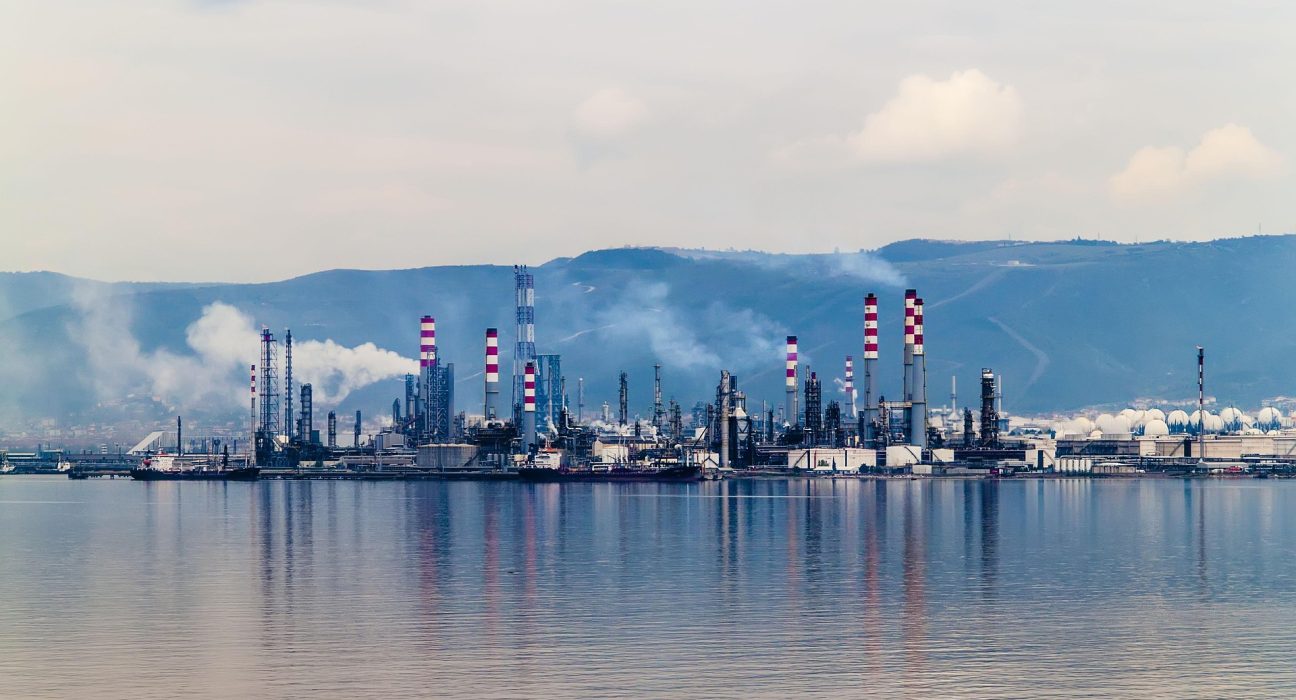
Oil prices edged higher on Tuesday, 3 November, after reports of a US military strike on Iran’s Qeshm Island renewed concerns about escalating tensions in the Middle East and the potential for further disruption to global energy supplies.
At 0355 GMT, US West Texas Intermediate (WTI) crude futures had gained 20 cents, or 0.21%, to $96.66 a barrel, while Brent crude futures rose 3 cents, or 0.03%, to $104.80 a barrel.
The modest recovery followed a sharp decline in the previous session, when both international oil benchmarks fell by more than 7%. Hopes that diplomatic discussions involving Iranian and Qatari officials could help end the conflict had eased concerns about prolonged supply disruptions.
However, a report by the Wall Street Journal, citing US officials, said the United States had carried out strikes on Iran’s Qeshm Island. Some officials reportedly characterised the operations as defensive measures intended to restrict Iran’s ability to attack commercial shipping in the Strait of Hormuz.
Brent crude and WTI recover after Monday’s sharp decline
The latest movement in oil prices reflects the competing influence of geopolitical developments and diplomatic efforts to resolve the conflict.
Brent crude futures settled at $104.77 a barrel on Monday, down $8.66, or 7.63%, in their largest single-session decline in the reported period. WTI also recorded a fall of more than 7%.
The reported military action brought renewed uncertainty into the market after diplomatic developments had encouraged traders to reduce expectations of an immediate escalation.
Tim Waterer, chief market analyst at KCM Trade, said the report had restored some geopolitical risk premium to oil prices, reversing the more positive market sentiment created by hopes of a diplomatic resolution.
However, Priyanka Sachdeva, head of market insight at Phillip Nova, said the relatively limited price response suggested that markets had already incorporated a substantial geopolitical risk premium.
She added that further price increases could be difficult to sustain without evidence of additional disruption to physical oil supplies or critical energy infrastructure.
Strait of Hormuz remains critical to global oil supplies
The Strait of Hormuz remains central to concerns about the impact of the US-Iran conflict on international energy markets.
The waterway connects the Persian Gulf with the Gulf of Oman and the Arabian Sea, providing a major export route for crude oil and natural gas from Middle Eastern producers.
Before the conflict, approximately one-fifth of global crude oil and natural gas supplies passed through the Strait of Hormuz. The military confrontation, which began in late February 2026, has sharply reduced shipping traffic through the passage.
Any prolonged disruption could affect crude oil exports, tanker movements and energy deliveries to major importing markets in Asia and elsewhere.
The implications extend beyond oil producers and traders. Refiners, petrochemical manufacturers, shipping companies, airlines and industrial energy consumers remain exposed to changes in crude prices and transportation costs.
Global oil inventories face pressure from prolonged disruption
The latest market developments come as concerns grow over the ability of global energy inventories to absorb further supply disruptions.
On 2 November, the chief executive of Abu Dhabi National Oil Company (ADNOC) said global inventories had declined by nearly 1 billion barrels since the US-Israeli war on Iran disrupted shipping through the Strait of Hormuz.
The assessment highlights the pressure that an extended period of constrained energy transportation can place on the global supply system.
Although inventories can provide a temporary buffer against supply interruptions, continued withdrawals reduce the volume of stocks available to manage further disruptions.
For refiners and industrial energy consumers, the availability of replacement supplies and the cost of securing alternative crude shipments will remain important considerations as the conflict continues.
US-Iran diplomatic efforts continue despite military tensions
Alongside the latest military developments, diplomatic contacts between Washington and Tehran have continued.
Iran said discussions aimed at ending the conflict were ongoing following meetings involving Iranian and Qatari officials. The talks resulted in revised proposals but did not produce a breakthrough.
US President Donald Trump also expressed uncertainty about whether Washington would resume threatened military strikes against Iran, while indicating that a negotiated agreement remained possible.
The combination of continuing diplomatic engagement and military activity has created an uncertain outlook for energy markets. Progress towards an agreement could ease concerns about shipping security, while further escalation could increase the risk of additional supply disruptions.
The conflict has also become a domestic economic concern in the United States, where higher petrol prices are adding pressure on consumers and policymakers.
Oil market outlook remains linked to shipping security
The latest movement in Brent and WTI prices demonstrates how quickly geopolitical developments can influence energy market sentiment.
However, the relatively small gains recorded at 0355 GMT indicate that the reported strike had not, at that point, generated a sustained increase in benchmark crude prices.
The distinction between geopolitical risk and actual physical supply disruption will remain important for market participants.
Oil traders, refiners and energy companies will be monitoring developments around the Strait of Hormuz, the security of commercial shipping and the progress of diplomatic negotiations between the United States and Iran.
For the global energy industry, the immediate concern remains whether the conflict will continue to restrict the movement of crude oil and natural gas through one of the world’s most important energy transportation routes.
Follow B2B Market Signal on social media for the latest business news, industry developments, market intelligence and analysis. Connect with us on LinkedIn and follow us on Instagram at @b2bmarketsignal for regular updates