



Lufthansa Cuts 2026 Profit Outlook as Jet Fuel Costs Rise to €9.3bn
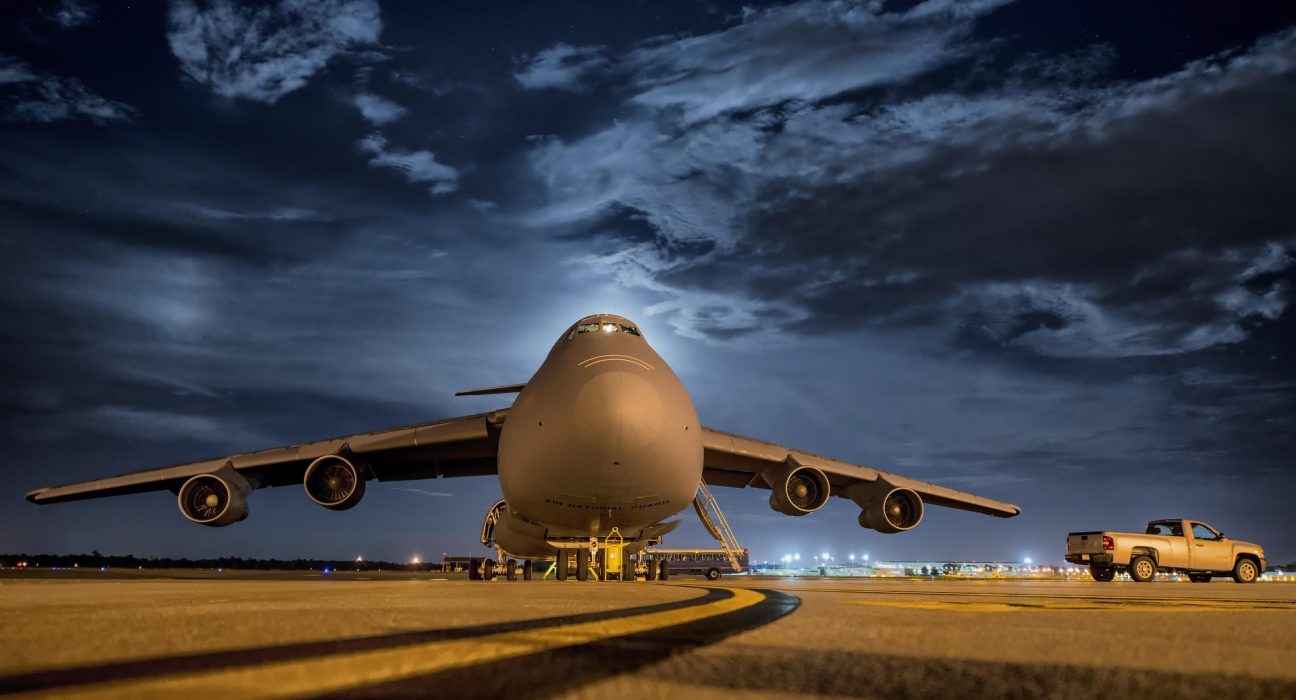
Lufthansa Group has narrowed its 2026 operating profit forecast as rising jet fuel prices push its expected annual fuel bill to €9.3 billion, highlighting the pressure that higher energy costs are placing on the European aviation industry.
The German airline group now expects adjusted operating profit (EBIT) of between €1.7 billion and €2 billion for 2026, compared with its previous forecast range of €1.7 billion to €2.2 billion. The revision reduces the upper end of its guidance by €200 million while leaving the lower end unchanged.
The updated outlook came alongside third-quarter operating profit of approximately €1.4 billion, slightly above the analyst consensus of €1.37 billion cited in the company’s results. Lufthansa said strong demand, higher revenues and cost discipline helped offset the increase in fuel expenses.
Lufthansa’s annual fuel bill reaches €9.3 billion
Lufthansa expects its total fuel bill for 2026 to rise to €9.3 billion amid higher jet fuel prices linked to the conflict in the Middle East.
The group reported that fuel costs increased by €543 million year on year in the third quarter. At its network airlines, the increase exceeded €400 million compared with the same period last year.
Chief Executive Carsten Spohr said higher revenues, consistently strong demand and cost discipline had enabled the group to more than offset the additional fuel expense during the quarter.
Lufthansa’s fuel hedging position provides some protection against market volatility. The company said its passenger airlines had hedged approximately 86% of their expected fuel requirements for 2026, with more than 60% already hedged for 2027.
However, the higher expected annual fuel bill has prompted the group to refine its earnings forecast.
Third-quarter revenue reaches a record
Lufthansa Group reported third-quarter revenue of €12.2 billion, an increase of 9% compared with the previous year. Adjusted operating profit increased 6% to approximately €1.4 billion from €1.3 billion.
The quarter benefited from robust demand across its business segments, particularly for premium travel and routes connecting Europe with Asia and North America.
Average yields at the network airlines increased by 7% year on year, supported by demand for premium tickets and long-haul travel. Eurowings also reported stronger yields in European point-to-point markets.
Lufthansa Cargo and Lufthansa Technik contributed to the group’s performance. The cargo business benefited from higher demand and changes in available capacity across international markets, while the maintenance and engineering division continued to benefit from demand for its services.
These developments helped offset higher fuel expenses and other operating pressures during the quarter.
Lufthansa maintains flat capacity growth outlook
The airline group confirmed that capacity growth for 2026 is expected to remain flat.
The decision reflects a challenging operating environment in which airlines must balance passenger demand against fuel prices, geopolitical uncertainty and other operating expenses.
Lufthansa’s management said full-year operating profit would depend on demand, fuel costs and the performance of Lufthansa Cargo during the fourth quarter.
The company also highlighted ongoing efforts to improve operational efficiency through cost management, automation and digitalisation. Its turnaround programme is focused on improving the financial performance of Lufthansa Airlines while maintaining reliability and customer service.
Higher fuel costs create pressure for European airlines
Lufthansa’s revised outlook reflects a wider challenge facing European carriers as the Iran war affects energy markets and raises the cost of aviation fuel.
Airlines have warned that higher fuel expenses could affect profitability, particularly as existing hedging arrangements expire. Some carriers may respond through fare increases, capacity adjustments or additional cost-control measures.
The timing and extent of any ticket-price increases will depend on fuel prices, competitive conditions, passenger demand and the extent to which airlines can pass additional costs on to customers.
For Lufthansa, its existing hedging arrangements provide a degree of protection, but the increase in its projected 2026 fuel bill shows that fuel remains a major factor in its financial outlook.
Market Signal: Airline profitability faces a fuel-cost test
Lufthansa’s latest results show that strong passenger demand and operating discipline can help airlines absorb higher fuel expenses, but they do not remove the underlying cost pressure.
The group’s record quarterly revenue and higher operating profit demonstrate resilience in its passenger, cargo and maintenance businesses. However, the reduction in its full-year earnings guidance highlights the importance of fuel prices to airline profitability.
Investors and aviation businesses will be watching the development of jet fuel prices, the expiry of hedging contracts, ticket pricing and cargo demand as the industry moves into 2027.
For European airlines, the challenge will be to protect margins while maintaining capacity and responding to changing travel demand.
Follow B2B Market Signal on social media for the latest business news, industry developments, market intelligence and analysis. Connect with us on LinkedIn and follow us on Instagram at @b2bmarketsignal for regular updates