
Tesla and SpaceX lose $456 billion in market value after US midterm election shock
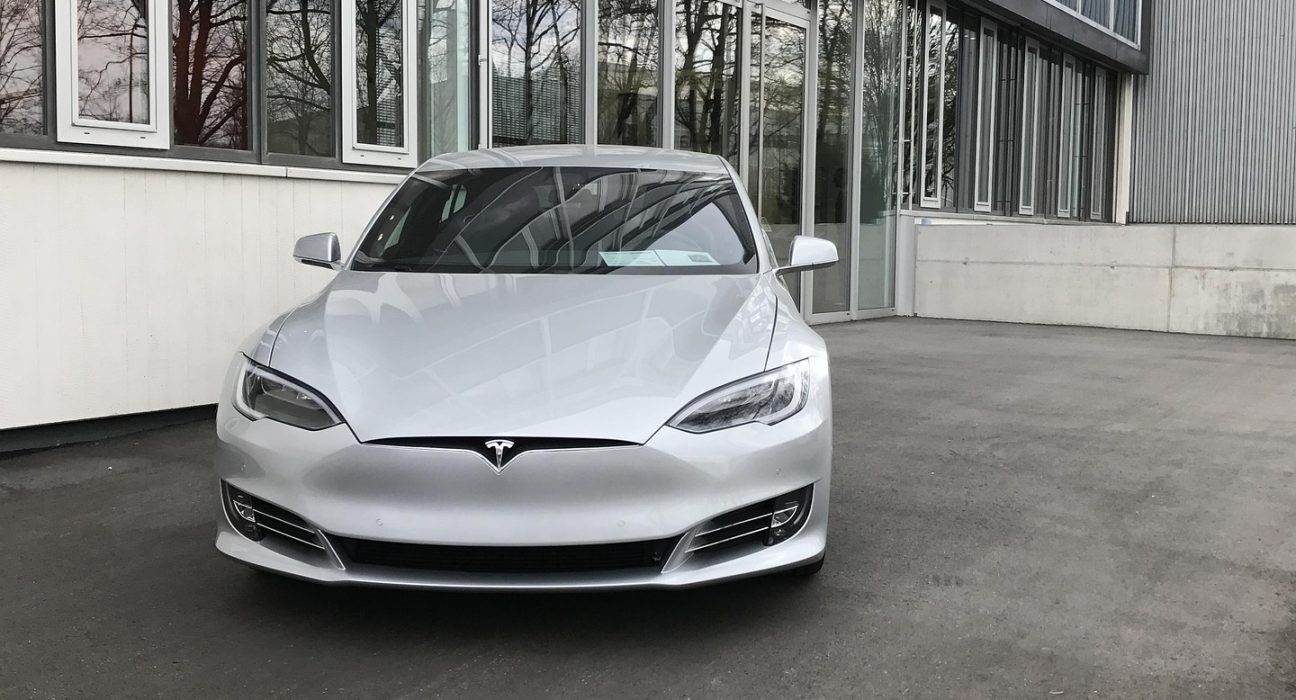
Elon Musk’s Tesla and SpaceX have lost approximately $456 billion in combined market value following the US midterm elections, as investors assess the potential impact of political changes on the companies’ regulatory environment, artificial intelligence investments and expansion plans.
Shares in SpaceX and Tesla fell approximately 9% and 11%, respectively, on Thursday, November 5, amid concerns that the companies could face increased congressional scrutiny and tighter regulatory requirements after Democrats secured control of both chambers of Congress.
The combined market capitalisation losses exceeded $420 billion from Tuesday’s closing levels during Thursday’s trading session. By the close of business, the decline had reached approximately $456 billion, according to the reported figures.
The market reaction reflects concerns about the potential consequences of the election results for Musk’s business interests, particularly in Texas, where both companies are headquartered and are investing heavily in artificial intelligence infrastructure.
Democrats’ election victories raise regulatory concerns
Democrats secured control of the US House of Representatives and Senate in the midterm elections, while Democratic candidates also won significant contests in Texas.
Senator-elect James Talarico defeated Republican Ken Paxton, while Gina Hinojosa defeated incumbent Governor Greg Abbott. Both Paxton and Abbott have been political allies of Musk.
Musk was among the largest financial backers of Republican candidates and political causes during the election campaign, contributing more than $470 million, according to the Financial Times.
However, most of the candidates he supported lost their respective contests, potentially weakening his political influence in Washington and Texas.
Deutsche Bank analysts said the changed political environment could create additional challenges for SpaceX. They highlighted potential regulatory hurdles affecting data centre development, electricity consumption, water usage and government incentives.
Texas data centre investments face potential delays
The election outcome could have implications for Tesla and SpaceX’s expanding AI infrastructure operations in Texas.
Governor-elect Gina Hinojosa made data centre development a significant issue during her campaign. She called for a temporary halt to new approvals until stronger protections covering water consumption, electricity costs, local authority and financial incentives are introduced.
Both companies are pursuing major infrastructure investments to support their artificial intelligence ambitions.
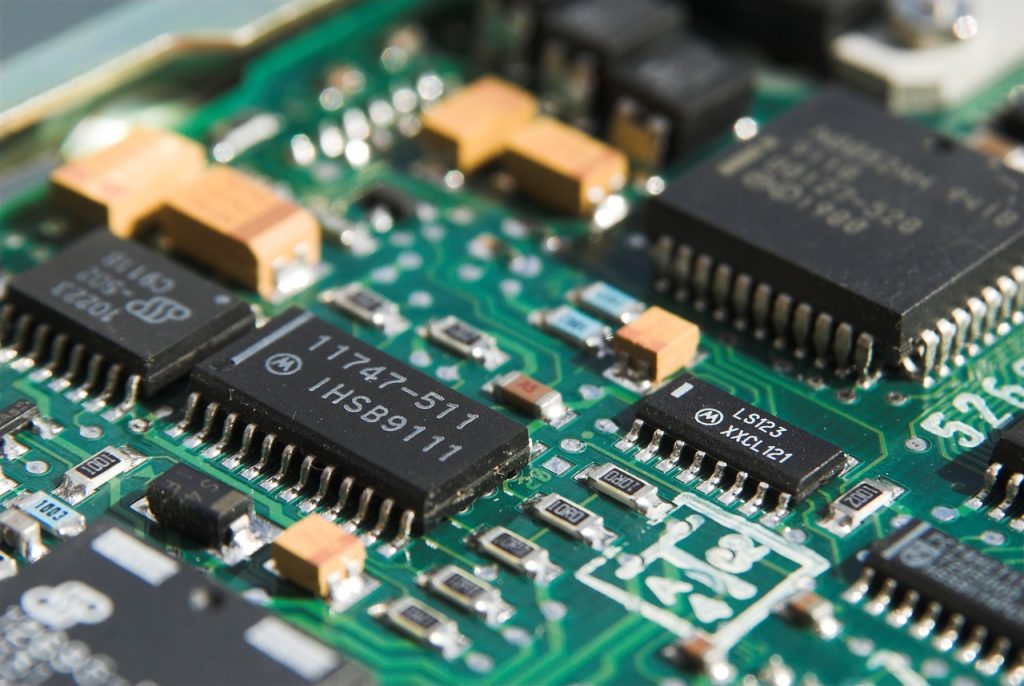
One of the proposed developments is Terafab, a large-scale facility planned for Grimes County, Texas, which is expected to combine semiconductor manufacturing capabilities with data centre infrastructure.
SpaceX is also planning to develop a supercomputer facility at its Starbase launch site in Texas. Company recruitment listings have indicated plans for additional data centre construction activities.
Deutsche Bank analysts warned that SpaceX’s planned computing capacity in Texas could face delays under a more restrictive regulatory framework.
The company could also encounter higher capital expenditure requirements if new regulations increase the cost of developing and operating large-scale data centres.
These developments are important for Musk’s broader AI strategy, which depends on expanding computing infrastructure to support advanced AI systems and related business operations.
SpaceX faces additional scrutiny over Starlink in Ukraine
SpaceX could also face congressional scrutiny over its Starlink satellite internet services in Ukraine.
The company and Musk have reportedly been instructed to preserve records relating to restrictions imposed on a military version of Starlink. The restrictions reportedly affected Ukraine’s ability to defend against Russian attacks.
The issue could become another area of investigation as Democrats assume greater control over congressional oversight.
Any additional scrutiny could increase regulatory and political pressure on SpaceX, particularly given the company’s role in providing satellite communications infrastructure for military and government-related activities.
Potential Tesla-SpaceX merger faces uncertainty
The changing political environment could also complicate Musk’s previously discussed plans to combine Tesla and SpaceX.
Musk has promoted the possibility of a merger between the two companies, although such a transaction would require shareholder approval.
Increased regulatory scrutiny could create additional obstacles to any potential deal, particularly given the companies’ significant operations in artificial intelligence, aerospace, electric vehicles and satellite communications.
The latest market decline highlights how political developments can influence investor expectations for companies with substantial government, infrastructure and technology exposure.
Musk’s personal fortune has also declined following the sell-off. According to Forbes’ real-time billionaire rankings, his wealth has fallen below $800 billion after dropping approximately $90 billion over the past week. He nevertheless remains the world’s richest individual.
For Tesla and SpaceX, the immediate concern is whether the post-election political environment will affect the timing, cost and regulatory approvals required for their planned investments.
Follow B2B Market Signal on social media for the latest business news, industry developments, market intelligence and analysis. Connect with us on LinkedIn and follow us on Instagram at @b2bmarketsignal for regular updates