



Asian Stocks Rally as Anthropic IPO Revives AI Investment Optimism

Asian stock markets advanced on Tuesday, 27 October, as Anthropic’s US initial public offering filing renewed investor interest in artificial intelligence, ahead of major technology earnings and a series of central bank policy decisions.
South Korea’s technology-heavy KOSPI rose more than 4% in early trading, while Japan’s Nikkei 225 gained 1.9%. MSCI’s broadest index of Asia-Pacific shares outside Japan increased 1.2%, reflecting a broader improvement in regional equity sentiment.
The gains came as investors assessed whether the rapid expansion of AI-related businesses can support the substantial investment required for computing infrastructure, semiconductors and data centres. Anthropic’s filing has brought that question into sharper focus, revealing strong revenue growth alongside substantial losses.
Anthropic IPO puts AI investment back in focus
Anthropic, the developer of the Claude family of AI models, disclosed its financial performance and business risks in its public offering paperwork filed in the United States on Monday.
The filing comes as companies across the technology sector continue to commit significant capital to AI development and computing capacity. Although demand for AI services has expanded rapidly, investors are examining whether that growth can translate into sustainable profitability.
The planned listing could provide public-market investors with a more direct way to assess the financial performance and valuation of a major AI developer. It also places the economics of AI development under greater scrutiny at a time when concerns about high valuations and the scale of infrastructure spending remain unresolved.
Meta Platforms provided another boost to sentiment with plans to raise up to $95 billion through its largest-ever equity fundraising. The proposal adds to the focus on how major technology businesses are financing their expansion and meeting their capital requirements.
Technology earnings will test demand for AI infrastructure
The next major test for the AI investment outlook will come from quarterly earnings due this week.
More than one-third of S&P 500 companies are scheduled to report results, including Alphabet, Microsoft and Amazon. Investors are expected to examine their financial performance, capital expenditure plans and indications of demand for AI-related products and services.
The results will be important for suppliers across the AI infrastructure ecosystem, including semiconductor manufacturers, cloud computing providers and data-centre operators. Sustained spending by major technology companies can support demand across these industries, but the commercial returns on that investment remain a central concern.
Anthony Saglimbene, chief market strategist at Ameriprise, said investors would seek evidence that AI demand was broadening beyond interconnected commercial relationships and supporting continued infrastructure expansion.
He added that investors needed confidence that capital expenditure reflected durable business requirements and that profitability would remain resilient as new infrastructure entered service.
The distinction matters because investment in computing capacity does not automatically translate into proportional revenue or profits. Earnings disclosures and forward-looking spending commitments will help investors assess how effectively companies are converting AI adoption into commercial performance.
Semiconductor stocks lead gains as US futures advance
The regional rally followed a strong session for US chip stocks. The Philadelphia Semiconductor Index rose 2.8% overnight, its largest one-day gain in a month, while Nasdaq futures were up 0.4% at the time reported. European stock futures, by contrast, slipped 0.23%.
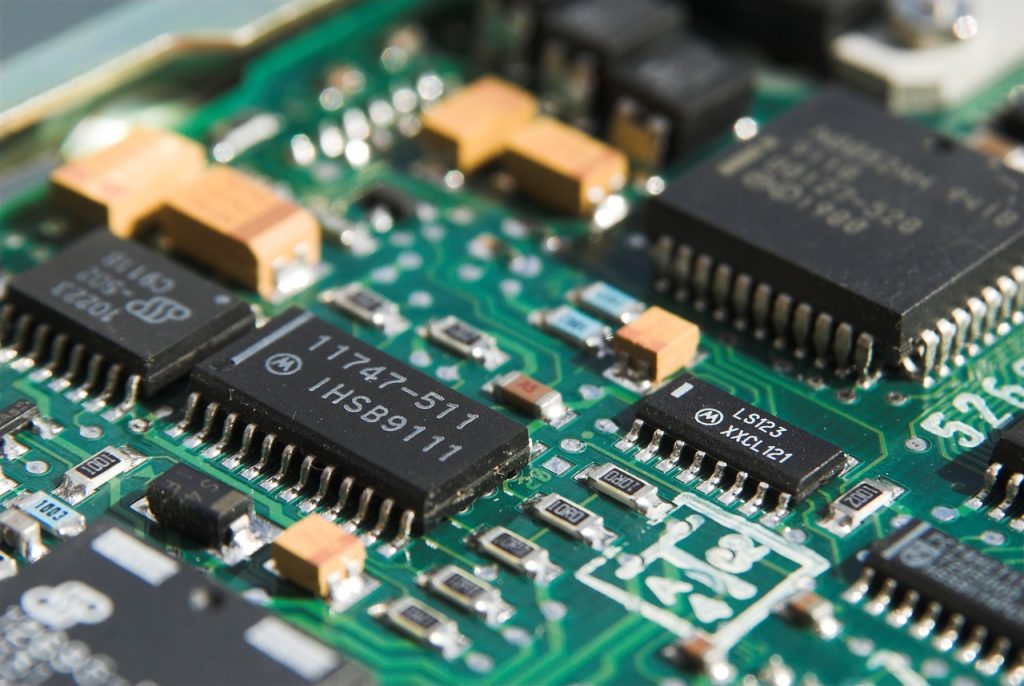
The movements underline the importance of semiconductor companies to the broader AI investment cycle. Advanced chips and related computing infrastructure are essential to training and running AI models, making semiconductor demand closely linked to spending plans among major technology companies.
However, the gains come against a backdrop of uncertainty over the pace of future investment and the returns that AI infrastructure can deliver. The coming earnings reports could therefore influence sentiment towards both technology platforms and their suppliers.
Central bank decisions add to market uncertainty
Monetary policy is another important consideration for investors this week. The Federal Reserve, European Central Bank and Bank of Japan are widely expected to leave interest rates unchanged at their upcoming meetings, shifting attention towards policymakers’ comments and signals about future decisions.
In the United States, persistent inflation concerns have led traders to consider the possibility of another Federal Reserve rate increase in December. The yield on the 10-year US Treasury note stood at 4.992%, just below the 5% level it crossed in September.
Higher borrowing costs can affect company financing, investment decisions and the valuations investors place on future earnings. This creates an additional consideration for technology businesses pursuing capital-intensive AI expansion.
The Japanese yen traded at 157.72 per US dollar ahead of the Bank of Japan’s decision on Friday. The central bank was expected to signal that inflation risks could remain elevated, potentially leaving room for a further interest rate increase in December.
Oil prices and geopolitical risks remain in focus
Energy markets continued to reflect uncertainty surrounding the US-Israeli war with Iran. Brent crude futures fell 0.7% to $114.95 a barrel, moving away from a six-month high as investors weighed the possibility of a resolution to the conflict.
Nevertheless, the risk of disruption to physical oil exports remains a concern. Any deterioration in supply conditions could put renewed upward pressure on crude prices, adding to inflation risks and complicating central banks’ policy decisions.
Gold edged lower to $4,013.70 an ounce, while the combination of energy-market uncertainty, interest rate expectations and corporate earnings kept investors focused on several competing influences.
What to watch next
For businesses and investors, the next key indicators will be earnings from Alphabet, Microsoft and Amazon, evidence of continued demand for AI services, and disclosures on infrastructure investment and profitability.
The Federal Reserve, European Central Bank and Bank of Japan will also provide further guidance on the interest rate outlook. Their communications could influence financing conditions and market valuations across technology and other capital-intensive industries.
Tuesday’s rally shows that investor enthusiasm for AI remains significant. Whether that optimism can be sustained will depend on the evidence companies provide that growing AI adoption can support durable revenue, returns on investment and long-term profitability.
Follow B2B Market Signal on social media for the latest business news, industry developments, market intelligence and analysis. Connect with us on LinkedIn and follow us on Instagram at @b2bmarketsignal for regular updates.