





Oil prices fall from six-month highs as Saudi supply risks persist
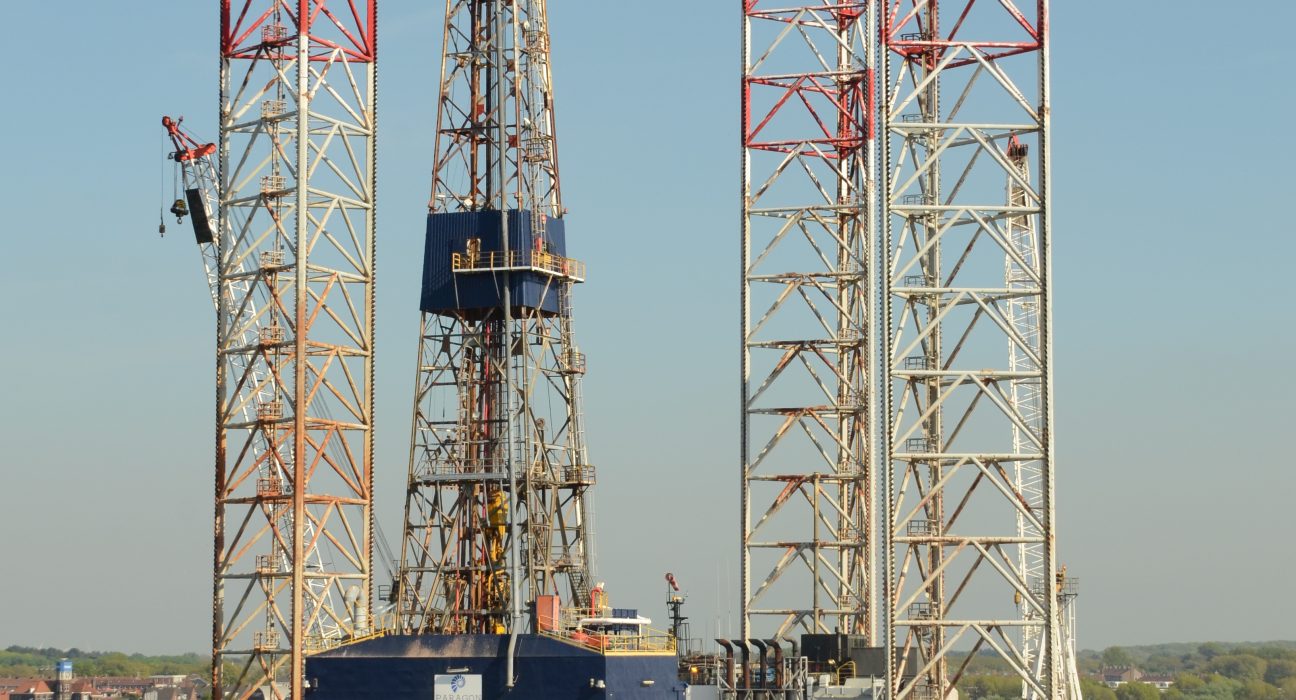
Oil prices declined in Asian trading on Monday, 26 October, after reaching their highest levels in nearly six months late last week, as markets weighed profit-taking against continuing risks to Middle East energy supplies.
Brent crude futures for December delivery fell 1.1% to $115.40 a barrel, while US West Texas Intermediate (WTI) crude futures declined 1.4% to $101.88, according to market figures reported early on Monday. The prices reflected the trading snapshot available at the time of publication.
The pullback followed a sharp rally on Friday, when both benchmarks gained nearly $3 a barrel amid concerns over attacks on Saudi Arabian infrastructure. Brent settled at $116.72 a barrel, its highest closing level since 29 April, and recorded a weekly gain of approximately 6%. WTI finished Friday at $103.27, up 2.3% over the week.
Despite Monday’s declines, the latest developments have kept the security of oil production, export infrastructure and regional shipping routes in focus.
Saudi attacks put oil infrastructure under scrutiny
Yemen’s Iran-aligned Houthi movement claimed responsibility for attacks targeting Saudi infrastructure over the weekend, including oil facilities and an airport. Saudi authorities separately reported intercepting additional missiles and drones.
The reported incidents followed earlier attacks on Saudi energy and civilian infrastructure. However, claims about individual targets should be distinguished from independently confirmed damage to oil production or export operations.
Saudi Arabia is the world’s largest oil exporter, making the security and operational continuity of its energy infrastructure important to international crude markets.
The immediate concern for oil buyers is whether further attacks disrupt production, crude transport or export operations. Damage to critical facilities, or restrictions affecting shipping routes, could complicate supply planning and increase the risk premium attached to oil prices.
The scale of any impact on physical oil availability will depend on the extent of confirmed damage, the duration of operational interruptions and the ability of producers and transport operators to maintain deliveries.
US-Iran tensions add to market uncertainty
Political uncertainty is another factor influencing crude prices.
US President Donald Trump said in a Fox News interview on Sunday that it was approaching a decision point on whether to reach an agreement with Tehran or escalate military action. The comments raised the possibility of further confrontation following months of conflict.
Iranian Foreign Minister Abbas Araghchi, meanwhile, said the United States would not launch another attack if rationality prevailed.
The statements highlight the uncertainty surrounding the next stage of US-Iran relations. For crude markets, the commercial significance lies in the potential consequences for regional production, exports and transport infrastructure rather than political rhetoric alone.
Red Sea shipping security remains a concern
The deteriorating security environment around the Red Sea adds another layer of risk for energy logistics.
The Houthis have increased pressure around the Bab el-Mandeb Strait, which connects the Red Sea with the Gulf of Aden. The passage is strategically important for international maritime trade, including routes used by energy shipments.
Disruption around the strait could force shipping operators to reassess routes, transit times and security arrangements. Any resulting delays or additional freight and insurance costs could affect the economics of transporting crude oil and refined products.
The extent of the impact would depend on the duration and severity of any disruption, as well as the availability of alternative routes.
Libya’s pipeline disruption highlights separate supply risks
Supply concerns have also emerged outside the Arabian Peninsula.
Libya’s National Oil Corporation reported on 22 October that an unauthorised closure of a valve on the Hamada-Zawiya crude oil pipeline had reduced production at the Hamada and Tahara fields.
The pipeline links the fields to infrastructure near the Zawiya refinery. The corporation warned that a prolonged interruption could lead to production losses and affect oil revenues.
However, the pipeline was reported to have reopened on 24 October, according to subsequent reporting. Its reopening is an important qualification: the incident illustrates the vulnerability of oil operations to local disruptions, but should not be presented as an ongoing shutdown without further confirmation.
What the oil price movement means for energy businesses
The latest price decline does not, by itself, establish that supply risks have eased. Instead, the market is responding to competing influences: a retreat after a strong rally and continued uncertainty over the security of oil infrastructure and transport routes.
For refiners, airlines, shipping companies and industrial energy consumers, fluctuations in crude prices can complicate purchasing decisions, budgeting and fuel-cost management. Higher crude prices can increase input costs, although the extent of the effect depends on product prices, contracts, inventories, currency movements and the ability to pass costs on to customers.
Oil producers and traders, meanwhile, must assess both benchmark prices and the availability of physical supplies. A rise in geopolitical risk does not necessarily translate into an immediate production loss, just as a daily price decline does not guarantee that supply conditions have improved.
What to watch next
The next indicators include confirmation of any damage to Saudi oil infrastructure, evidence of changes to production or export flows, developments around the Bab el-Mandeb Strait and further US-Iran diplomatic or military decisions.
Market participants will also be watching whether Brent and WTI retain their recent gains or extend Monday’s retreat.
For now, the key signal is that crude prices remain exposed to geopolitical developments, with the potential for further volatility if attacks disrupt physical supplies or energy transport. The duration and operational consequences of the latest incidents will be more important for the longer-term market outlook than a single session’s price movement.
Follow B2B Market Signal on social media for the latest business news, industry developments, market intelligence and analysis. Connect with us on LinkedIn and follow us on Instagram at @b2bmarketsignal for regular updates.