



Marinus Link construction begins with 750MW Tasmania–Victoria interconnector
Construction of the Marinus Link electricity interconnector between Tasmania and Victoria has moved into its next phase, marking a major step in the development of additional transmission capacity for Australia’s east-coast electricity market.
The first stage of Project Marinus will provide 750MW of transmission capacity, equivalent to the power needs of around 750,000 homes, and is expected to support approximately 2,400 jobs across Tasmania and Victoria.
Project Marinus combines Marinus Link with the North West Transmission Developments (NWTD) being delivered by TasNetworks. The infrastructure is designed to strengthen connections between Tasmania and the mainland while enabling greater use of renewable electricity across the National Electricity Market.
Marinus Link connects Tasmania’s renewable generation to the mainland
The Marinus Link system will use an undersea and underground electricity connection across Bass Strait, allowing electricity to flow in both directions between Tasmania and Victoria.
This two-way capability is central to the project’s role in the electricity system. When solar and wind generation is plentiful on the mainland, Tasmania can import electricity and reduce the need to draw on its hydroelectric storage. When renewable electricity is needed on the mainland, Tasmania can export power generated from its hydro resources.
The project is therefore designed to provide greater flexibility between different forms of renewable generation and electricity demand.
Marinus Link’s first stage is being developed as a 750MW connection, with a second 750MW stage planned as part of the longer-term project. Marinus Link’s project documentation identifies Stage 1 as the initial 750MW development, with construction expected to run through to 2030.
Project Marinus expands Australia’s transmission infrastructure
The interconnector is being developed alongside the North West Transmission Developments in Tasmania.
TasNetworks says the NWTD will increase transmission capacity in north-west Tasmania to support existing and future renewable energy projects, while also strengthening the stability and reliability of the state’s electricity network.
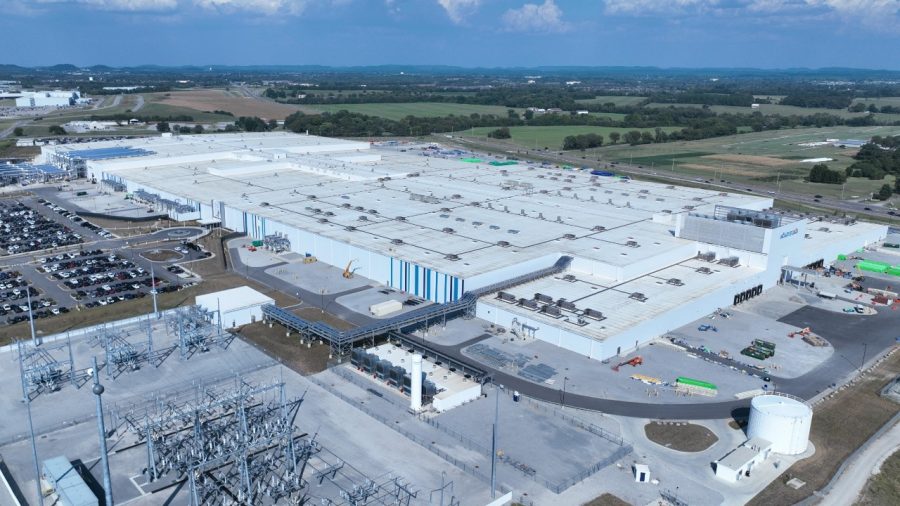
Stage 1 includes new and upgraded transmission infrastructure, including approximately 126km of upgraded transmission lines, 3km of new transmission lines and upgrades to substations at Sheffield, Palmerston and Burnie. A new switching station at Heybridge will also support the Marinus Link converter station.
Together, these developments provide the network infrastructure required to move electricity between renewable generation, storage and consumers.
Two-way power flows create greater system flexibility
For Tasmania, the interconnector provides another route to electricity from the mainland when local renewable generation or hydro conditions are constrained.
During periods when mainland solar and wind generation is strong, imported electricity can allow Tasmania to conserve water in its hydroelectric reservoirs. Conversely, Tasmania’s hydro resources can provide dispatchable renewable electricity to the mainland when demand is higher or variable renewable generation is lower.
That flexibility is becoming increasingly relevant as Australia’s electricity system incorporates greater volumes of wind and solar generation.
Project Marinus is also intended to support the retirement of ageing coal-fired generation by improving the ability of renewable electricity and storage resources to serve demand across the National Electricity Market. The federal government says the project will help strengthen reliability while placing downward pressure on electricity prices.
Construction creates opportunities across the energy supply chain
The move into construction also creates a broader commercial opportunity for companies involved in Australia’s electricity infrastructure sector.
Marinus Link has identified opportunities for Australian manufacturers, suppliers, contractors, subcontractors, consultants and other service providers to participate in the project. Its supply-chain requirements span areas including engineering, construction, project management and specialist infrastructure services.
The project’s employment impact is expected to extend across both Tasmania and Victoria, with regional communities positioned to participate through construction and associated supply-chain activity.
For North West Tasmania in particular, the combination of Marinus Link and the NWTD represents a significant investment in transmission infrastructure and supporting economic activity.
Project financing and government support
The project is being delivered jointly with the Tasmanian and Victorian governments and has received concessional finance through the Australian Government’s Rewiring the Nation programme, delivered by the Clean Energy Finance Corporation.
Stage 1 reached financial close in 2025, with the Commonwealth, Victorian and Tasmanian governments providing equity commitments alongside $3.8bn in financing from the Clean Energy Finance Corporation. The federal government said at the time that Stage 1 would create around 2,400 jobs and drive approximately $2.4bn of investment across Tasmania and Victoria.
The project subsequently reached the construction milestone marked by the October 2026 sod-turning ceremony.
Marinus Link itself is owned by the Commonwealth, Victorian and Tasmanian governments, while TasNetworks is responsible for the associated North West Transmission Developments.
What Marinus Link means for Australia’s energy market
The development represents more than a new electricity connection between two states. It is part of a broader expansion of transmission infrastructure intended to make Australia’s renewable generation resources more usable across the National Electricity Market.
Tasmania’s hydroelectric resources can provide a source of flexible renewable generation, while mainland wind and solar resources can supply electricity to Tasmania when conditions are favourable.
The resulting two-way connection could allow different renewable resources to complement each other across geographic markets rather than being used only within the state where electricity is generated.
Market Signal: The start of construction highlights the growing importance of transmission as Australia expands renewable generation. The next phase of the energy transition is therefore not only about adding generation capacity, but also about building the networks required to move electricity between regions.
The key milestones to watch will be construction progress on Stage 1, delivery of the associated north-west Tasmanian transmission upgrades and the eventual commissioning of the 750MW interconnector.
Follow B2B Market Signal on social media for the latest business news, industry developments, market intelligence and analysis. Connect with us on LinkedIn and follow us on Instagram at @b2bmarketsignal for regular updates.