Essar-backed Mesabi Metallics plans $18bn US steel investment
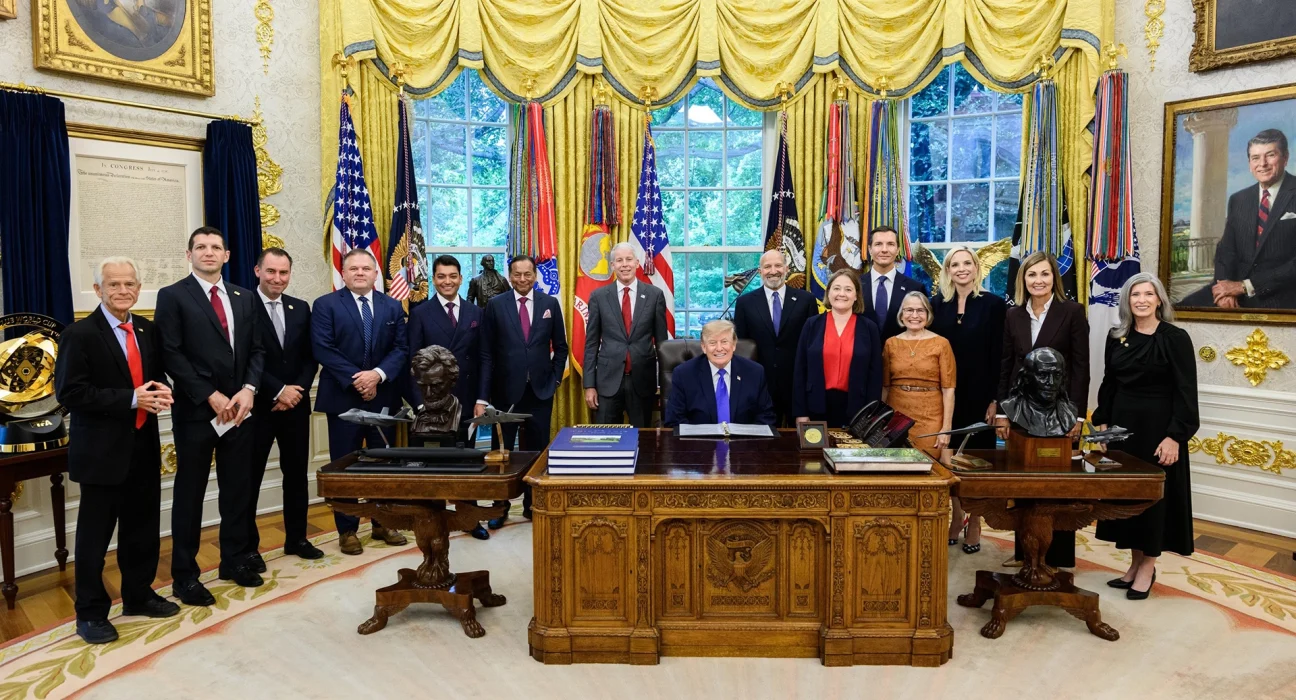
Essar-backed Mesabi Metallics has announced an $18 billion investment to establish an integrated steelmaking operation linking an iron ore mine in Minnesota with a new steel complex in Iowa.
The investment comprises a proposed $15 billion steelmaking complex in Iowa and around $3 billion already invested in the company’s iron ore mine and pelletising facility in Nashwauk, Minnesota. The project is designed to connect mining, iron ore processing and steel production within a domestic US supply chain.
Mesabi Metallics said the project represents the largest single investment in a steel complex in US history. The Iowa facility is expected to use direct-reduced iron (DRI) and electric arc furnace (EAF) technology, with iron ore produced at the Minnesota operation supplying the steel complex.
The announcement was made at the White House on September 28, with Mesabi Metallics Chairman Rewant Ruia and Essar Group Vice Chairman and Founder Ravi Ruia among those attending. US officials and Iowa state representatives were also present.
Mesabi Metallics connects Minnesota mining with Iowa steelmaking
The centrepiece of the investment is the proposed Iowa steel complex, which will receive iron ore from Mesabi Metallics’ mine on Minnesota’s Mesabi Iron Range.
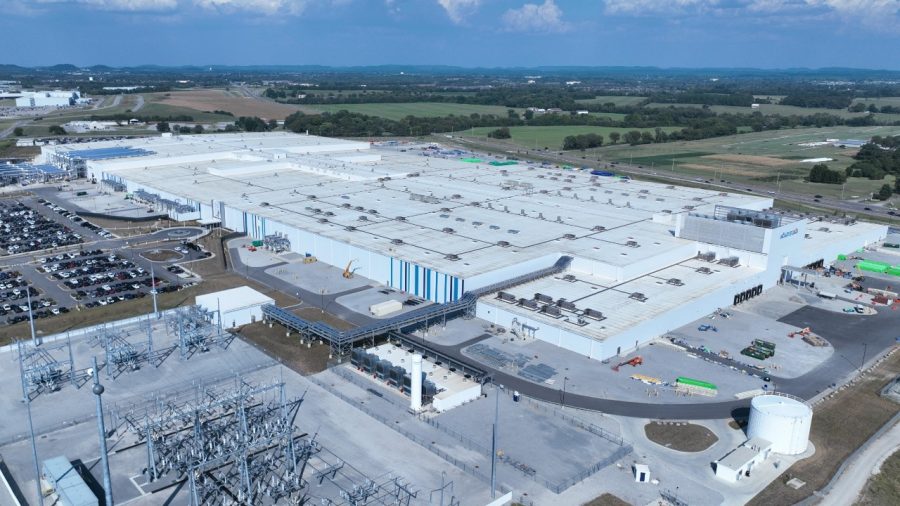
The Minnesota operation is described by the company and US EXIM as the first new iron ore mine and pellet plant to start up in the United States in 50 years. The operation is expected to produce up to about 7 million tons a year of high-grade direct-reduction-grade iron ore pellets.
Mesabi Metallics calls the product Patriot Pellet. The direct-reduction-grade material is intended to serve as feedstock for modern steelmaking operations, including the company’s planned Iowa facility.
More than 1,500 construction contractors are currently working at the Minnesota operation, while the company employs more than 200 people there. Employment is expected to increase to approximately 350 once the mine and pellet plant reach full capacity, according to US EXIM.
The arrangement creates a vertically integrated production chain in which iron ore is mined and processed in Minnesota before being transported to Iowa for steelmaking.
$15bn Iowa steel complex targets large-scale production
Mesabi Metallics plans to invest $15 billion in the Iowa steel complex.
The White House and Reuters reported that the facility is expected to produce about 7.5 million tons of steel annually in its initial phase, with capacity potentially increasing to around 10 million tons once fully built out. Steel production is expected to begin in 2030.
The facility will use DRI technology to convert iron ore into metallic iron before feeding the material into electric arc furnaces. The EAF process can use a combination of direct-reduced iron and recycled steel scrap as its metallic input.
Mesabi Metallics says using hot DRI directly in the EAF can reduce the energy required during melting, while the combination of DRI and EAF technology is intended to support a lower-energy production process compared with conventional blast-furnace steelmaking.
The project will therefore combine two parts of the steel value chain that are often operated separately: primary iron ore production and downstream steel manufacturing.
Steel project creates opportunities across the supply chain
The investment is expected to generate activity beyond Mesabi Metallics’ direct operations.
The Iowa project will require construction contractors, engineering services, equipment suppliers, logistics providers, maintenance companies and other industrial vendors during development. Once operational, the steel complex is expected to support a permanent workforce of at least 1,750 people, according to Mesabi Metallics.
Mesabi Metallics estimates that its investment in American-made steel will generate $95 billion in total economic output during construction and the first 10 years of full operations. That figure is a company projection rather than an independently established economic outcome.
The project could also create downstream opportunities for manufacturers that require domestically produced steel, including automotive, infrastructure, energy and other industrial sectors.
DRI and EAF technology shape the production model
The planned Iowa facility is designed around DRI and EAF technology rather than a traditional integrated blast-furnace route.
In the DRI process, oxygen is removed from iron ore without melting the material. The resulting direct-reduced iron can then be used as a metallic input in an electric arc furnace.
Mesabi Metallics plans to use hot DRI from its own process in combination with steel scrap in its EAFs. The company says this configuration is intended to improve energy efficiency and reduce emissions compared with conventional coal-fired blast-furnace production.
The approach also gives the project a direct connection between the quality of its Minnesota iron ore and the requirements of modern EAF steelmaking.
Essar expands its US steel strategy
For Essar, the investment represents a significant expansion of its US industrial presence.
Ravi Ruia said the project builds on Essar’s experience across the steel value chain and forms part of the group’s broader global investment strategy. Rewant Ruia described the development as an integrated steel business connecting Minnesota iron ore resources with steelmaking in Iowa.
The project also has a financing component involving the US Export-Import Bank. EXIM’s board recently approved a $770 million direct loan for Mesabi Metallics’ Minnesota iron ore mine, according to the agency. EXIM said the Minnesota operation would directly supply the planned Iowa steel plant.
This provides an additional link between the mining project already under development and the larger steelmaking investment now being proposed.
What the Mesabi Metallics investment means for US steel supply chains
The key commercial feature of the project is its vertical integration.
Instead of relying on imported iron units or externally sourced feedstock, Mesabi Metallics intends to control a larger portion of the production chain, beginning with iron ore extraction in Minnesota and extending through pellet production, DRI processing and EAF steelmaking in Iowa.
For industrial customers, that model could create an additional source of domestically produced steel and iron units. For suppliers, the project creates potential demand across construction, mining equipment, steelmaking technology, transportation, energy and industrial services.
The project’s eventual production volumes will also determine its position within the US steel market. The planned initial capacity of approximately 7.5 million tons a year, potentially rising to 10 million tons, would make the complex a significant new source of domestic steel production if the announced development schedule is achieved.
The next major milestones will include development of the Iowa site, construction of the steelmaking complex, continued ramp-up of the Minnesota mine and pellet plant, financing and project execution ahead of the targeted 2030 start of steel production.
For B2B companies across mining, steel, construction, logistics, energy and manufacturing, the Mesabi Metallics project therefore represents a significant new industrial supply-chain development linking Minnesota’s iron ore resources with a large-scale steelmaking operation in Iowa.
Market Signal: Vertical integration is emerging as a major feature of Mesabi Metallics’ US steel expansion strategy. The project would connect Minnesota iron ore production directly with Iowa steelmaking, creating a mine-to-mill supply chain controlled by the same industrial group.
Follow B2B Market Signal on social media for the latest business news, industry developments, market intelligence and analysis. Connect with us on LinkedIn and follow us on Instagram at @b2bmarketsignal for regular updates.