





Used EVs in Canada gain ground as second-hand market matures
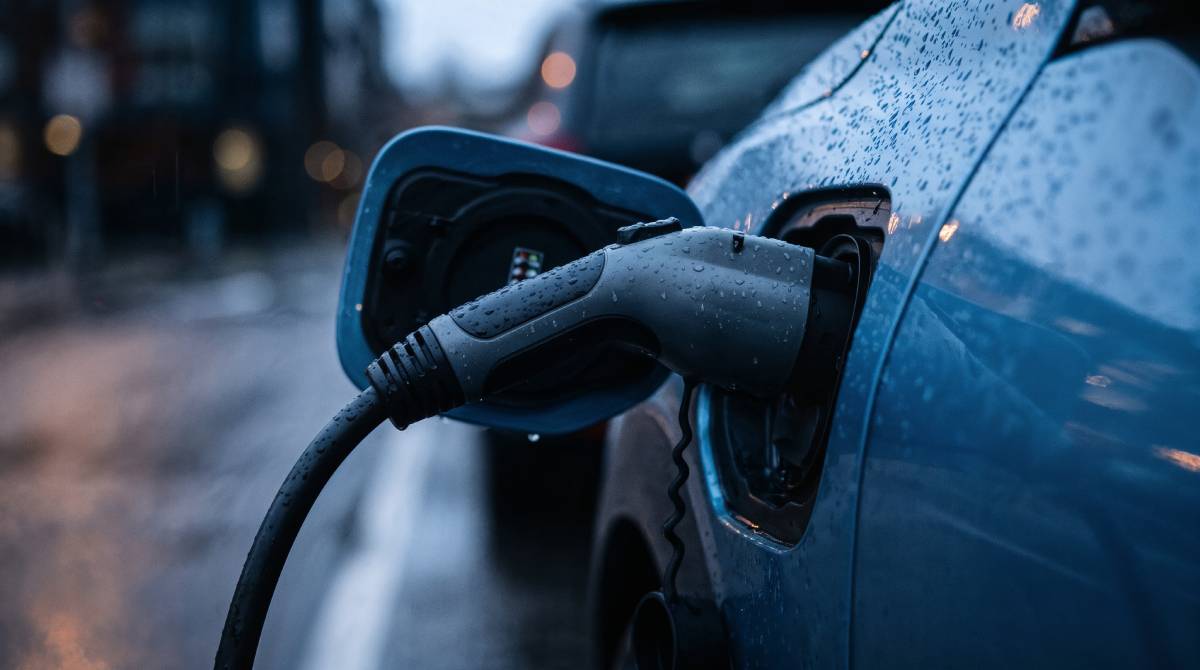
Canada’s used electric-vehicle market is showing signs of increasing maturity, with EVs turning over faster than other major powertrain types while lower running costs, battery-health data and manufacturer-backed warranties address some of the concerns surrounding second-hand ownership.
Data from automotive marketplace Clutch shows that used EVs sold in a median 23 days in July 2026, the fastest turnover recorded for EVs and the quickest among the fuel types tracked that month. Gasoline vehicles took 31 days, while hybrids took 30 days. The July result followed a median 24-day selling period for used EVs in June.
Clutch’s dataset covers used vehicles from model year 2016 onwards with fewer than 200,000 kilometres, sold across Canada. Its July data also showed that comparable used EV prices remained broadly flat on a like-for-like basis, even as prices across the wider used-car market declined.
Why Canada’s used EV market is gaining momentum
The growing presence of older EVs in the Canadian used-car market is expanding the options available to buyers who want electric mobility without paying the price of a new vehicle.
The supply pipeline is also becoming more established. VinFast, for example, began delivering its first VF 8 vehicles to Canadian customers in June 2023, meaning those vehicles are now entering the age range relevant to the second-hand market. The company originally supplied the VF 8 with a 10-year/200,000-kilometre vehicle warranty and a 10-year unlimited-kilometre high-voltage battery warranty.
Running costs remain another consideration. A September 2026 analysis by Rates.ca found that, based on Ontario electricity prices and 20,000 kilometres of annual driving, annual charging costs for the EVs in its sample were equivalent to 14% to 18% of the fuel costs of comparable petrol vehicles.
The study estimated annual charging costs of about C$448 for the Kia EV4, compared with C$2,523 in petrol costs for a comparable Honda Civic. In the SUV category, the Kia EV9 was estimated at C$616 a year to charge, compared with C$3,487 to fuel a comparable Kia Sorento petrol model. Rates.ca notes that these calculations are based on Ontario’s blended electricity rate and 20,000 kilometres of annual driving.
Purchase price remains an important part of the equation, however. Rates.ca found that petrol vehicles remained the lowest-cost option after one year in three of four categories examined. Its analysis also showed that lower EV charging costs narrow the ownership-cost difference over longer periods.
EV battery longevity is becoming easier to assess
Battery condition remains one of the most important considerations for anyone buying a used EV, but the available fleet data provides a growing body of evidence about long-term battery performance.
Geotab’s 2024 analysis of almost 5,000 EVs found average battery degradation of 1.8% a year. The company said the batteries in the vehicles analysed could outlast the usable life of the vehicles in many cases.
More recent Geotab research, published in January 2026 and covering more than 22,700 EVs across 21 makes and models, found average annual degradation of 2.3%. Geotab attributed the difference partly to changes in vehicle use, including greater reliance on high-power DC fast charging.
Research published in Nature Energy provides another indication of long-term vehicle durability. A study using UK vehicle records estimated an average lifespan of 18.4 years for battery-electric vehicles, broadly comparable with petrol cars, and estimated lifetime mileage for BEVs at about 124,000 miles. The findings relate to Great Britain rather than Canada, so they should not be treated as a direct estimate of Canadian vehicle lifespans.
For used-EV buyers, the growing availability of battery-health information is potentially important because battery condition can materially influence the value and future operating costs of an electric vehicle.
EV repair costs are moving closer to ICE vehicles
Repair economics are also evolving as the EV fleet becomes larger and older.
Mitchell’s Q2 2026 Plugged-In: EV Collision Insights report found that the difference in average repairable-claim severity between BEVs and internal combustion engine vehicles in Canada had reached its lowest recorded level.
The average Canadian repairable BEV claim was C$6,645, compared with C$5,411 for ICE vehicles, leaving a difference of C$1,234. Mitchell said the narrowing gap reflects, among other factors, a maturing EV fleet and higher total-loss frequency, although BEVs remain more expensive to repair on average.
The development has implications beyond consumers. Insurers, collision-repair businesses and automotive parts suppliers are all exposed to changes in the size and age of the EV parc, while repair processes and parts requirements continue to evolve.
VinFast adds a CPO route for Canadian used EV buyers
Automakers are also introducing programmes designed to reduce uncertainty around buying a used EV.
VinFast Canada has launched a Certified Pre-Owned programme under which eligible vehicles retain the unused portion of the original 10-year/200,000-kilometre vehicle warranty for the next owner. The company’s CPO process includes a 105-point inspection covering mechanical, electrical, battery-health and cosmetic elements, along with a Carfax vehicle-history report and 24/7 roadside assistance.
VinFast also states that its Canadian vehicles are covered by a 10-year/unlimited-kilometre battery warranty, subject to the terms of its warranty policy.
For the used market, programmes such as this address one of the practical challenges of buying an EV several years after its original registration: establishing the vehicle’s condition and understanding how much manufacturer protection remains.
What the used EV market means for Canada’s automotive sector
The evidence points to a used-EV market that is becoming more established rather than one that has eliminated all ownership concerns.
Faster sales turnover suggests that buyers are engaging with the available supply, while charging-cost comparisons demonstrate a potentially significant operating-cost advantage in regions with relatively low electricity prices. At the same time, battery-health research and manufacturer warranty programmes are providing more information and protection around longer-term ownership.
For automotive businesses, the implications extend across the value chain. Dealers need processes for assessing and marketing used EVs; insurers and repairers are adapting to an expanding EV parc; manufacturers have an opportunity to support residual demand through CPO programmes; and battery-health assessment could become increasingly relevant to used-vehicle valuation.
The next stage will depend on how used EV supply develops as more vehicles reach the second-hand market, how battery-health standards evolve and whether repair, insurance and resale economics continue to converge with those of conventional vehicles.
For now, the available data indicates that Canada’s used-EV market is becoming a more established part of the automotive ecosystem, with faster turnover and increasingly defined ownership and warranty information supporting its development.
Follow B2B Market Signal on social media for the latest business news, industry developments, market intelligence and analysis. Connect with us on LinkedIn and follow us on Instagram at @b2bmarketsignal for regular updates.